

In the modern era, efficient waste management has become essential for a sustainable future. As we face the challenges of rapid urban growth, rising population, and environmental shifts, the consequences of ineffective waste management are glaringly apparent. Businesses and individuals alike are recognizing the significance of embracing eco-friendly methods that decrease waste but also benefit the planet and societal health. From more info of upcycling to implementing comprehensive waste reduction plans, each action taken can contribute to a better world.
In this piece, we will explore remarkable case studies that highlight innovative waste management practices from different industries. Whether you are a business owner searching for a comprehensive resource on waste management or an individual interested in discovering How to Reduce Waste at Home and Save Money, there are valuable lessons to be drawn from those who have advanced in their approaches to waste handling. Get set to uncover ten effective methods to boost your waste reduction efforts and understand the role that successful waste handling plays in promoting a circular economic model and fighting global warming.
The Importance of Proper Waste Management
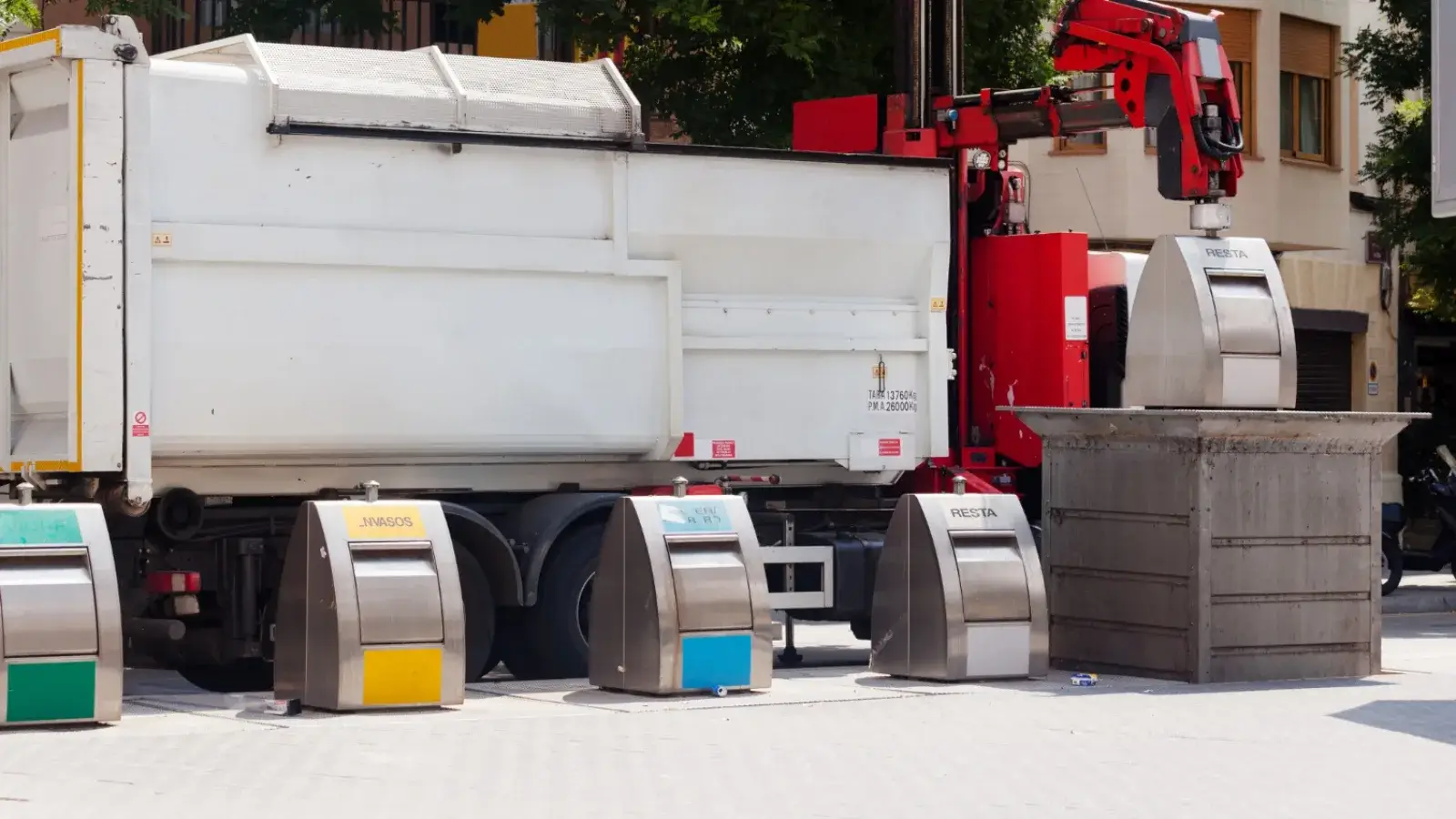
Effective waste management is crucial for ensuring a tidy and wholesome environment. It includes the gathering, movement, handling, reusing, or management of waste materials in a manner that minimizes their influence on human health and the ecosphere. When waste is mishandled, it results in environmental harm, the propagation of diseases, and ecological degradation. Companies and citizens alike play a key role in waste management practices, which can influence the collective well-being of life in societies.
In addition, proper waste management has considerable economic benefits. Businesses that adopt eco-friendly waste disposal methods can lower costs associated with waste gathering and disposal. By engaging in waste reduction and recycling, firms can often convert waste materials into recyclable resources, in the end leading to reduced expenses and increased profits. This productivity not only supports the bottom line but also enhances a company's standing as a responsible corporate citizen, aligning with consumer preferences for green practices.
Finally, efficient waste management is directly related to public health. Inadequate waste disposal methods can result in hazardous conditions, including polluted water supplies and air pollution. The management of hazardous waste, in particular, needs to be managed with care to reduce injury and damage to the environment. By emphasizing proper waste management, societies can safeguard public health, foster environmental sustainability, and contribute to a more closed-loop economy, where waste is limited and materials are recycled for as long as they can be.
Novel Practices for Garbage Reduction
The integration of creative practices in trash management is essential for realizing meaningful trash reduction. One effective tactic is the implementation of digital trash tracking systems. These technologies enable organizations to track their waste generation patterns, spotting areas and aspects for improvement. By utilizing software and platforms, businesses can make informed decisions about garbage separation and minimization, ensuring that resources are recycled or upcycled rather than ending up in waste facilities. This not only improves operational productivity but also enhances a business’s sustainability profile.
Another promising strategy is the implementation of eco-friendly packaging solutions. Organizations are more frequently moving towards biodegradable substances and reusable solutions methods, which significantly lower the amount of trash produced. By rethinking their logistics and considering different wrapping methods, organizations can lessen their ecological footprint. Furthermore, incorporating sustainable resources is also advantageous for the planet but can also attract to environmentally conscious customers, improving brand affinity and competitive edge.
In addition to these approaches, cultivating a culture of zero waste within businesses is necessary. This involves training workers about the value of trash minimization and promoting practices such as organic waste recycling and correct recycling. Engaging employees through training sessions and offering incentives for green practices can foster a team-oriented environment aimed at reducing garbage. Companies that foster this mindset also contribute to green sustainability but also frequently experience cost savings and enhanced effectiveness in their workflows.
Establishing a Eco-friendly World Via Refuse Handling
Robust waste handling strategies are crucial for building a green future. By strategically addressing waste production and disposal, organizations can substantially reduce their ecological footprint. This not only helps to the mitigation of waste but also serves a critical role in conserving environmental resources. When companies focus on sustainable refuse disposal, they position themselves as leaders in their field, exhibiting a devotion to environmental stewardship that resonates with clients and partners alike.
Innovative technologies and intelligent strategies are changing the field of waste handling. The growth of automated systems and robotics enables for increased efficient management, sorting, and recycling of materials. This digital shift also improves the ability to conduct refuse assessments, making it simpler for companies to detect aspects for optimization. As companies adopt these advancements, they not only boost operational efficiency but also contribute to a circular economy where garbage is limited and resources are regularly reclaimed.
Community engagement is a key element of green refuse handling. Teaching the citizens about seasoning, recycling, and composting enables individuals to make educated decisions that constructively affect the environment. By fostering a atmosphere of environmental responsibility within local communities, companies can help forge a shared drive towards refuse minimization. This collaboration not only improves community health but also paves the route for future ages to live in a healthier and more sustainable environment.