

As our planet progressively shifts its attention to living sustainably, energy-efficient heating systems are becoming as a revolutionary development within residential climate control. Created to optimize heat transfer instead of producing it, these cutting-edge technologies offer homeowners a practical choice to traditional HVAC systems. Amid escalating energy prices and an urgent need to reduce carbon footprints, understanding heat pumps alongside their features is more crucial than ever for those looking to boost their residence's energy efficiency while making a positive impact on the environment.
In this article, we will delve into all the essential information homeowners should understand concerning heat pumps, from their workings and efficiency compared to conventional systems to practical tips on installation and maintenance. Whether you're considering a heat pump for a new build or planning to install one in a current residence, we will investigate the various types available, like air-to-air and ground-to-air heat pumps, plus performance insights for different weather conditions. Come along as we reveal the ways heat pumps are transforming residential comfort and also serving a crucial function in supporting sustainable practices.
Understanding Heat Pumps
Heat pumps are advanced systems that transfer heat from one place to another, effectively providing both heating and cooling solutions for households. They work by using a refrigeration cycle to extract heat from the atmosphere, soil, or water and move it inside or outdoors, depending on the desired temperature. This technology allows them to function efficiently in multiple climates, making them an attractive option for residents looking to lower energy consumption.
One of the key advantages of heat pumps is their effectiveness compared to conventional HVAC systems. Unlike furnaces that generate heat through combustion, heat pumps simply transfer existing heat, requiring less energy to achieve the same level of comfort. As a result, they can greatly lower energy bills and minimize greenhouse gas emissions, making them a sustainable choice for eco-friendly homeowners.
In recent times, heat pumps have seen popularity, especially with the advent of new technologies that enhance their performance in cooler climates. Homeowners are now more knowledgeable about the various types of heat pumps available, including air source and ground source options, allowing them to make educated decisions based on their specific needs and regional climate conditions. As we look toward the future of home heating and cooling, heat pumps are poised to play a critical role in achieving sustainable living goals.
Benefits of Heat Pumps
Heat pump systems offer significant advantages in power efficiency, making them an excellent choice for property owners looking to lower their energy costs. In contrast to traditional heating methods that produce heat, heat pumps transfer existing heat from the air or ground into your residence. This approach uses considerably less energy, often resulting in lower monthly utility costs. As energy prices continue to rise, the efficiency of heat pumps can provide substantial long-term savings for homeowners.
In addition to financial savings, heat pumps also promote a more sustainable lifestyle. They produce lesser greenhouse gas emissions compared to conventional heating and cooling systems. By utilizing https://airsourceheatpumpsyorkshire.com/ , they greatly reduce a household's carbon footprint. This environmentally friendly approach aligns with the growing movement towards sustainable living, making heat pumps an excellent option for environmentally aware homeowners.
Another remarkable benefit of heat pumps is their flexibility in providing both heating and cooling. This double functionality simplifies home climate control, removing the need for separate heating and cooling systems. Many models are fitted with cutting-edge technologies such as smart thermostats, enhancing overall comfort and convenience. As a result, heat pumps can enhance indoor air quality and maintain a steady temperature throughout the year, making homes more comfortable regardless of external weather conditions.
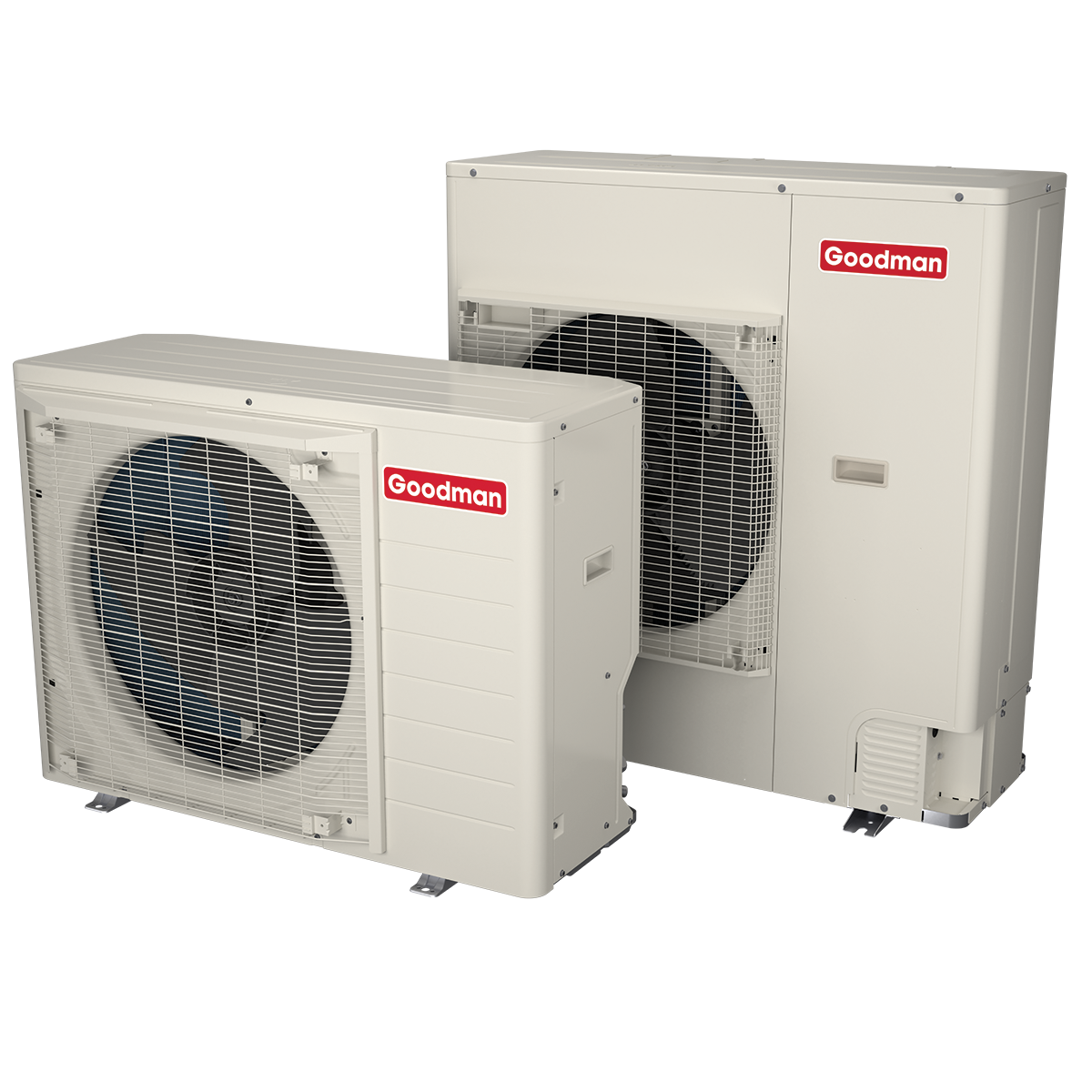
Installation and Upkeep
Setting up a heat pump needs thorough consideration and arrangement to ensure optimal performance. Homeowners should begin by assessing their environment and deciding what type of heat pump is the most suitable, whether air source or ground source. It is essential to determine the right size for the unit, as an incorrectly sized heat pump can lead to waste and discomfort. Professional installation is strongly recommended, as certified installers will have the expertise to configure the system correctly, following local codes and best practices.
Routine maintenance is crucial for maximizing the duration and performance of your heat pump. Homeowners should schedule yearly inspections with a certified technician to monitor refrigerant levels, inspect electrical components, and maintain filters. Frequent maintenance not only helps in identifying potential issues before they become costly repairs but also ensures that the system functions at peak efficiency, ultimately reducing energy bills and enhancing indoor comfort.
In terms of common maintenance tasks, homeowners can help by regularly maintaining or changing filters every few months and ensuring the outdoor unit unobstructed of debris. Observing the system's performance can also assist in earlier detection of any problems. Being diligent about maintenance will not only lengthen the life of your heat pump but also preserve your investment, ensuring that it continues to offer reliable service throughout the heating and cooling seasons.