

While the globe struggles with constantly rising waste production, the requirement for innovative and effective waste management strategies has never been more important. Waste management is more than about disposal; it is a comprehensive approach that impacts the environment, public health, and even the economy. In towns and communities worldwide, the demand to manage waste in an eco-friendly manner is increasing, encouraging businesses, governments, and individuals to re-evaluate their strategies.
In this piece, we will examine groundbreaking technologies changing the way we manage waste, and why effective waste management is paramount for every business. From intelligent waste management solutions for cities to the importance of recycling and composting in lessening waste at home, we will delve into modern practices that can considerably alleviate the burden on our planet. Whether you are a beginner looking to understand the essentials of waste management or a business aiming to create a sustainable waste management strategy, this comprehensive manual will provide the knowledge you require to contribute positively to our planet's well-being.
Successful Refuse Management Techniques
Implementing successful waste management practices is for organizations looking to reduce their impact on the environment and lower expenses. One of the key steps is performing a refuse analysis, which assists determine the varieties and volumes of garbage being generated. This information facilitates organizations to develop focused strategies for waste reduction, recycling, and processing. Continually evaluating refuse information can also highlight insights and areas for progress, enabling organizations to adapt their approaches over the long run.
Another important component of efficient waste disposal involves waste segregation. By separating items for recycling, biodegradable waste, and trash at the point of generation, businesses can significantly boost their rate of recycling and reduce waste going to landfills. It becomes important to inform workers about proper waste segregation techniques, including recyclable and non-recyclable materials. This not only helps foster a culture of sustainability within the office but also guarantees alignment with local regulations and lowers the likelihood of interference in recycling processes.
Lastly, partnering with a reliable waste management provider can streamline functions and improve sustainability efforts. These companies often offer tailored solutions that meet a organization's individual needs, including routine removal times and use of advanced recycling solutions. Moreover, a respected garbage handling service can provide guidance on optimal practices and regulatory alignment, assisting companies manage the challenges of waste management properly.
Advancements in Waste Handling
The scope of refuse management is quickly changing, thanks to state-of-the-art technologies that are optimizing processes and enhancing recycling processes. Data analytics and artificial intelligence are being employed to enhance waste collection routes, ensuring that efficiencies are maximized. Connected bins equipped with sensors can alert waste management services when they are at capacity, allowing for timely collections and reducing overflow incidents. These developments not only enhance efficiency but also reduce the carbon footprint associated with waste handling.
Organic waste processing is also making headway, with innovative techniques that enable faster decomposition of organic waste. Biological digestion and closed-loop composting systems are increasingly being utilized in both home and business settings, effectively converting food scraps and yard waste into valuable soil amendments and biogas. These systems not only decrease the amount of waste sent to dump sites but also support a closed-loop system by recycling nutrients to the soil. The advocacy of composting helps raise awareness among individuals and businesses on eco-friendly waste practices, showcasing its benefits in minimizing total waste.
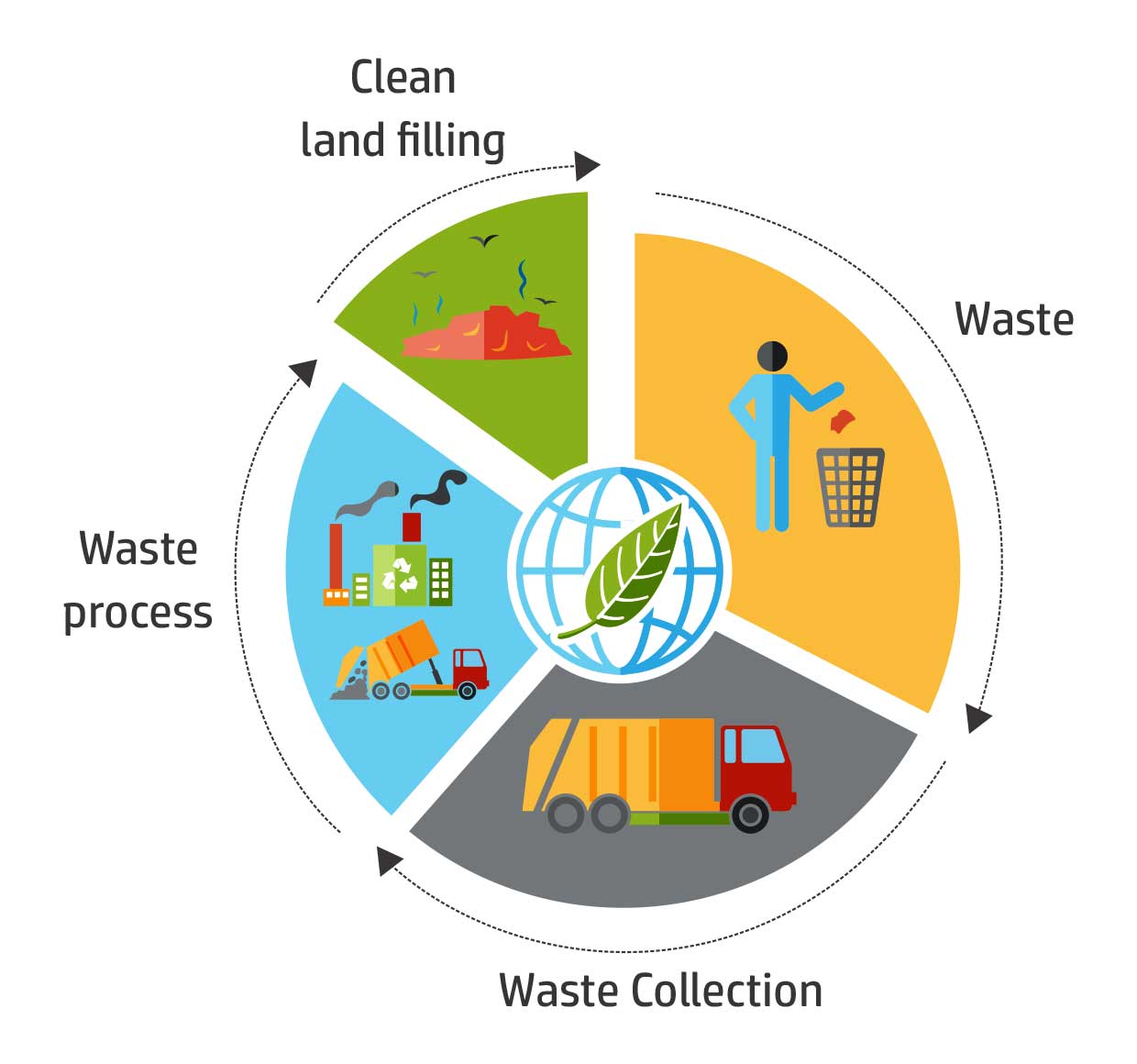
Moreover, the rise of distributed ledger technology is transforming how waste is monitored and handled. By providing a transparent and immutable ledger, blockchain can enhance accountability in recycling processes and ensure conformance with waste management policies. This technology addresses challenges related to e-waste and hazardous waste disposal by allowing stakeholders to trace the entire chain of custody of refuse materials. As waste management continues to adopt these technological improvements, it paves the way for more environmentally-friendly practices that benefit both the natural world and community well-being.
Ecological and Economic Effects of Waste Disposal
Proper waste management is essential for minimizing the ecological effects of human activities. Inadequate waste disposal practices cause pollution, greenhouse gas emissions, and the degradation of natural ecosystems. By utilizing sustainable waste management solutions, businesses and individuals can substantially reduce their carbon footprint and protect biodiversity. Go to this site as recycling, composting, and proper waste segregation not only divert waste from landfills but also conserve precious resources, demonstrating the essential link between environmental responsibility and waste management.
From an economic perspective, managing waste effectively can lead to significant cost savings for businesses. Ineffective waste management can result in fines, increased disposal costs, and harm to a company’s brand. By focusing on proper waste reduction strategies, organizations can enhance operations, decrease expenses associated with waste disposal, and even generate revenue through recycling and upcycling initiatives. Moreover, following regulations can prevent expensive penalties, ensuring that businesses maintain compliance and avoid economic difficulties.
On a broader scale, the relationship between waste management and public health is crucial. Effective waste management systems lead to cleaner environments, reducing the risks of disease and health-related issues in communities. By prioritizing proper waste disposal and repurposing, cities can improve overall public health, leading to a more productive workforce and enhanced quality of life for residents. As communities invest in intelligent waste management solutions, they foster not only ecological sustainability but also economic resilience, underscoring the important role of robust waste management practices in our society's future.