

Spray painting is a dynamic way to transform your home. If you're looking to revitalize furniture, improve decor, or tackle more extensive projects like walls and cabinets, mastering the art of spray painting can cut you time and money while delivering stunning results. With the right techniques and tools, you can achieve a sleek finish that elevates your projects to the higher standard.
In this article, we will discuss ten innovative spray painting ideas that can breathe new life into different aspects of your home. From grasping the essential tools required for success to learning how to choose the suitable spray paint for any surface, we will guide you through the process, emphasizing common mistakes to avoid along the way. Be prepared to unleash your creativity and discover how spray painting can be an enjoyable DIY experience.
Spray Paint Methods
To achieve a stunning finish with spray coatings, method is key. Start by holding the aerosol can about six to twelve inches away from the surface. This gap helps ensure an even application without runs. Begin coating off the edge of the item you are coating and make smooth strokes across the surface rather than trying to cover an area immediately. This method allows for better control and a flatter coat.
Applying layers is another essential technique to master. Instead of applying a thick layer of paint all at the same time, opt for several thin coats. Each coat should be allowed to dry before applying the next. This not only helps prevent sagging but also enhances the depth and longevity of the look. For greatest results, choose a warm, dry day for outdoor projects, as high humidity or cold weather can affect the curing time and the overall finish.
Lastly, be aware of the spray painting pattern. For larger spaces, use a horizontal sweeping motion, and for corners and edges, a up-and-down approach can help ensure full coverage. Rehearsing your technique on scrap materials can also provide a beneficial learning experience. By improving Best Kitchen Spray Painting West Yorkshire , you will be able to enhance your painting projects from standard to remarkable.
Crucial Tools and Setup
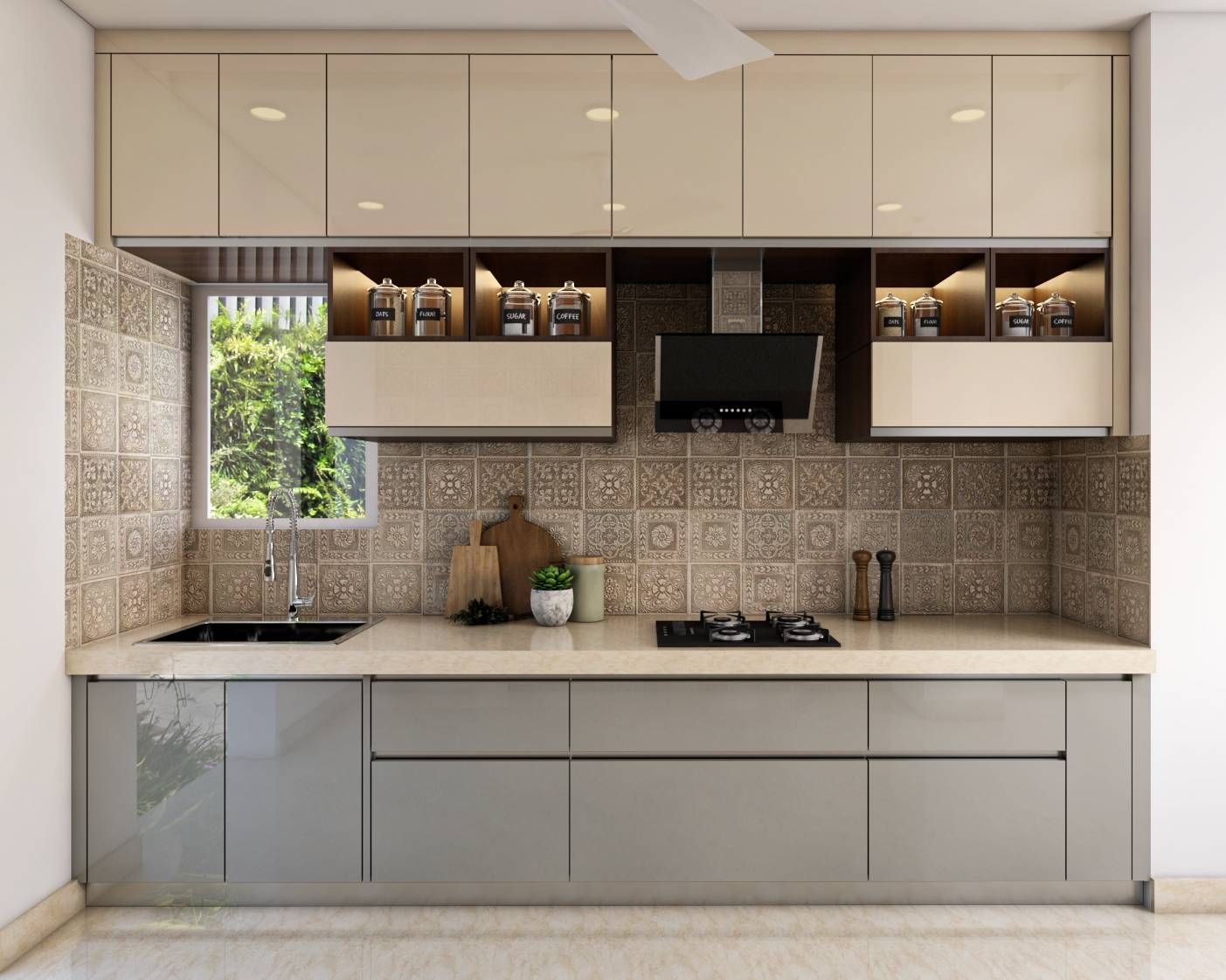
To obtain the highest results with aerosol painting, having the appropriate tools is crucial. Begin by gathering key supplies such as a high-quality spray paint that suits your project, a spray gun or can nozzle, and appropriate personal protective equipment like gloves, goggles, and a mask. A drop cloth will help protect your surfaces, while painter's tape is crucial for masking off areas where you don’t want paint. Using a sanding block and primer can also greatly enhance the end finish of your work.
Setting up your work area and project area is just as important. Ensure the area is well-ventilated to minimize fumes and encourage even drying. Remove the space of any clutter and shield surrounding items to prevent paint splatters. For surfaces, clean and sand them to create a smooth base ready for paint. If your surface has previously been painted, remove any old paint or rust to guarantee adhesion. This thorough preparation will save you time and effort in the future.
In conclusion, always take a moment to test your spray paint on a tiny, inconspicuous area before starting your project. This will allow you to check the color and finish, ensuring it meets your expectations. Moreover, get acquainted yourself with the spray paint nozzle settings, as various nozzles can create different spray patterns. Properly prepping both your tools and your workspace is crucial for a successful spray painting process.
Advice for a Refined Finish
Obtaining a fine result with spray paint application requires multiple key techniques. Initially, it is important to prepare the surface properly. This entails cleaning, smoothing, and preparing surfaces as needed to guarantee paint adheres effectively. A thoroughly prepared surface minimizes imperfections and establishes a flawless foundation for your paint. Remember to wipe away dust and debris after sanding, as this can profoundly affect the final look.
Selecting the right spray paint and nozzle is important for a professional look. Select a paint that suits the material you're applying it to, whether it's metallic surfaces, wooden surfaces, or another surface. Additionally, using the right nozzle can help control the paint flow and achieve an even coat. Train your technique on a cardboard or scrap surface to find the best distance and angle for spraying, which will aid minimize drips and runs.
Lastly, timing and environmental conditions play a significant role in the quality of your result. Spray paint adheres optimally in mild temperatures with low humidity. Steer clear of on windy days or in extreme heat, as these conditions can affect how the paint dries. Allow appropriate drying time between coats for the highest results, and always use light, uniform strokes to cover the area evenly. Following these tips can help you attain that coveted professional finish in your spray painting works.