

In today's world, impactful waste management has turned out to be more crucial than ever before. As urban populations grow and consumption rates increase, the issue of dealing with waste sustainably looms larger. Businesses and households alike are recognizing the significance of implementing modern waste management solutions not just for regulatory compliance but also improving their environmental responsibility. Understanding waste management is no longer an option; it is a necessity that impacts public health, climate change, and overall sustainability.
As technology progresses at an unprecedented pace, it brings innovative solutions that can significantly improve waste management practices. From smart waste collection systems that optimize routes for trucks to apps that help consumers track their recycling habits, the role of technology in this field is vital. By adopting these innovations, individuals and organizations can develop effective waste reduction plans, participate in responsible recycling, and ultimately support a circular economy that reduces waste while enhancing resource efficiency. This article examines the various facets of waste management and highlights how technology can lead to sustainable solutions for a cleaner, greener future.
The Significance of Effective Waste Management
Efficient waste disposal is essential for preserving a clean and wholesome environment, as it promptly impacts public health and safety. Inadequate waste disposal practices can lead to the spread of pests, atmospheric and water pollution, and the transmission of diseases. When waste is not managed adequately, it can also create unsightly landscapes that reduce the quality of life in communities. Dealing with waste issues not only safeguards human health but also helps to protect local ecosystems and biodiversity.
For businesses, implementing proficient waste management practices is not just an ethical responsibility; it can also lead to substantial cost savings and efficiency gains. By allocating resources for novel waste disposal strategies, companies can reduce their waste output, lower disposal costs, and even produce revenue through recycling programs. Moreover, a pledge to sustainable waste practices can enhance a company’s brand reputation and attract eco-consciously aware consumers, ultimately contributing to a competitive advantage in the marketplace.
Furthermore, effective waste disposal plays a crucial role in supporting a circular economy. By emphasizing recycling and waste reduction, communities and businesses can contribute to a system where resources are kept in use for as long as possible, minimizing the removal of raw materials and reducing environmental effects. This approach not only reduces pressure on landfills but also fosters a climate of sustainable practices that promotes creativity and increased responsible consumption practices across various sectors.
Advanced Methods in Waste Management
The progress of technology has dramatically changed waste management practices across the globe. Visit this website equipped with sensors can track fill levels and improve collection routes for waste management services, minimizing fuel consumption and emissions associated with waste collection. These innovations allow municipalities to more effectively allocate resources, ensuring that waste is collected efficiently and timely, ultimately leading to cleaner urban areas.
Another cutting-edge technology is the application of artificial intelligence and automated learning in sorting waste. Robotic systems can now detect and classify recyclable materials from general waste at a much significantly improved accuracy than human workers. This not just increases recycling rates but also lowers contamination in recycling streams, which is a common issue in waste management. The ability to improve sorting processes directly contributes to a more functional circular economy, where resources are recycled and waste is minimized.
Additionally, the adoption of data analytics into waste management procedures has permitted companies and municipalities to conduct waste audits more successfully. By studying waste generation patterns, organizations can recognize areas for enhancement in their waste management plans. This data-driven approach helps in comprehending the environmental effects of waste and formulating targeted strategies for waste lessening, guaranteeing that waste management aligns with larger sustainability aims.
## Strategies for Eco-Friendly Waste Management
To reach eco-friendly garbage control, businesses and people must embrace strategies that emphasize on decreasing refuse generation at the source. Implementing practices such as thoughtful use and utilizing biodegradable containers can significantly reduce the quantity of garbage produced. Promoting a culture of recycling and repair can likewise result in a reduction in single-use goods, ultimately contributing to a further green strategy to refuse.
Furthermore, learning and understanding hold crucial parts in sustainable garbage practices. By understanding the principles of waste sorting and repurposing, people and organizations can make knowledgeable options that positively affect their refuse output. Training employees on effective garbage handling methods and executing routine garbage evaluations are effective methods to identify areas for improvement and ensure that everyone is involved in eco-friendliness initiatives.
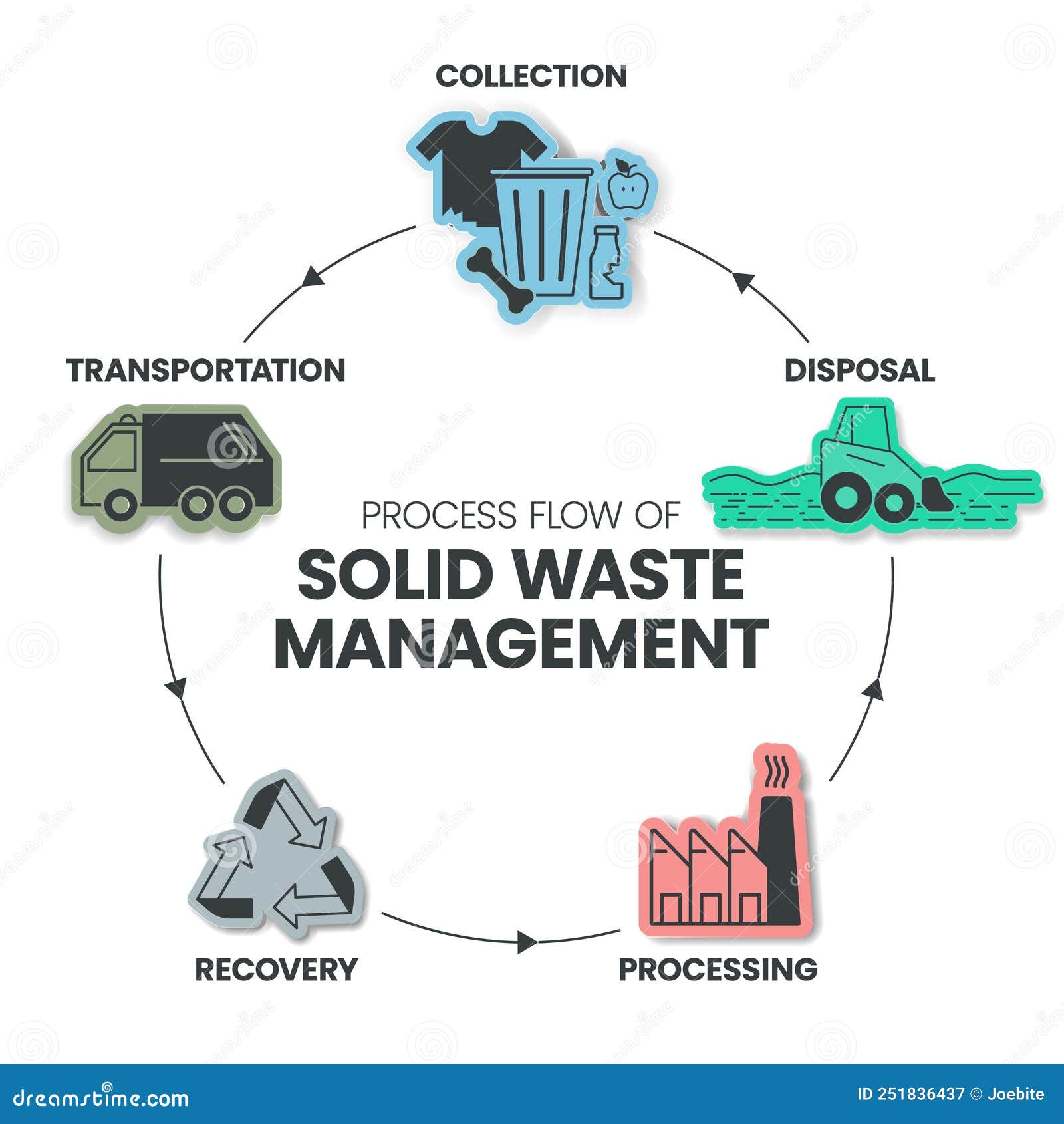
In conclusion, leveraging innovation can boost green waste control activities. Automated refuse management solutions, such as mechanized sorting methods and garbage management tools, simplify procedures and boost effectiveness. Embracing innovation enables superior information analysis and resource allocation, which can produce lower refuse creation and enhanced recycling statistics. By combining these strategies, sustainable refuse strategies can be successfully implemented, benefiting both the planet and the profitability.