

Land surveyors play a critical role in diverse projects, often operating behind the background to ensure that everything runs smoothly and as per plan. From defining property boundaries to supporting large-scale construction efforts, the expertise of a surveyor is essential to circumvent issues that can lead to costly contests or errors. As property owners embark on new ventures, comprehending the importance of surveying can make a major difference in the outcome of their projects.
In this article, we will explore the complex world of surveyors and their vital contributions to property development, construction, and real estate transactions. Whether you are acquiring land, planning a home extension, or participating in a commercial project, being aware of what to expect during a property survey and the importance of employing a certified specialist can help secure your interests. Follow along as we explore the multiple types of surveys, contemporary technology transforming the industry, and the essential questions you should consider before employing a surveyor.
Comprehending the Function of Land Surveyors
Surveyors play a crucial role in the real estate development journey, acting as the link between land and the various stakeholders engaged in real estate projects. They are responsible for measuring and charting land, which supplies critical data that shapes decision-making for property owners, developers, and construction teams. With their knowledge, surveyors help to guarantee that land is accurately defined, boundaries are respected, and that legal compliance is maintained throughout the entire development lifecycle.
The significance of a surveyor's work cannot be emphasized enough. Before buying property, potential buyers should consistently seek a land survey to reveal any issues related to property lines, easements, or zoning restrictions. This avoidance of future disputes is priceless, as boundary surveys can help prevent expensive legal battles between neighboring property owners. Furthermore, understanding the parameters of the land allows buyers to decide wisely and plan accordingly for future developments or modifications.
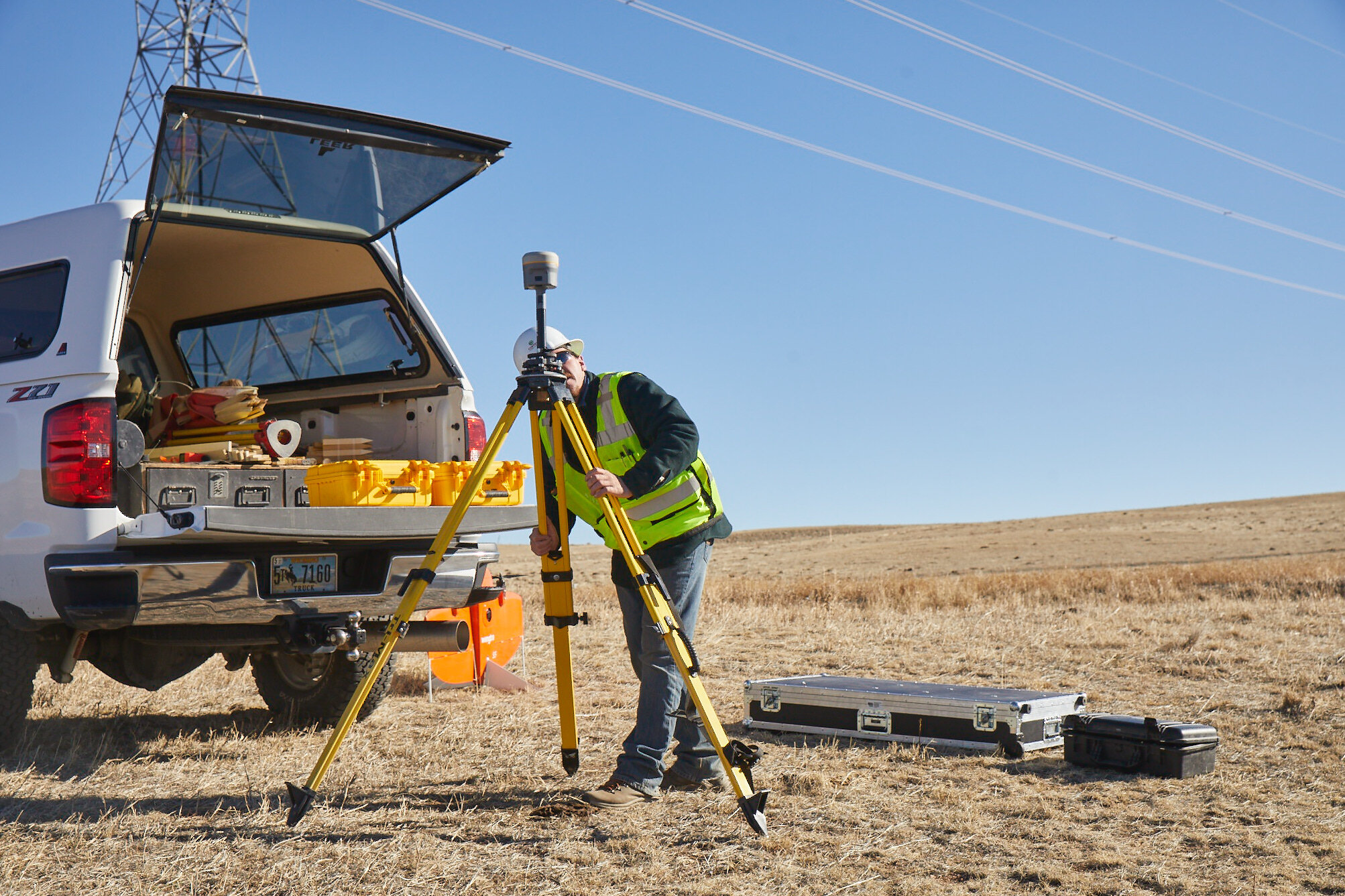
Modern land surveying has advanced significantly, incorporating sophisticated technologies such as GPS and drones that enhance precision and efficiency. https://surveyorsyorkshire.com/ utilize these tools to deliver detailed measurements and high-resolution imaging of landscapes. This technological integration not only accelerates the surveying process but also enhances the quality of data collected, which is vital for successful construction and planning. As the surveying industry continues to evolve to new trends, the function of surveyors remains essential in navigating the challenges of land use and property development.
Value of Land Surveys for Property Owners
Land surveys are vital for property owners because they offer a detailed comprehension of parcel lines. Understanding the precise measurements and boundaries of a parcel can stop expensive arguments with adjacent landowners. A qualified land surveyor uses precise measurements and methods to establish these lines, guaranteeing that property owners can securely use and develop their land without the fear of encroaching on another's territory.
Furthermore, surveys play a critical role during the acquisition process. Buyers need to verify that the property they are buying is as represented and that there are no hidden issues with the limits. This is particularly important in avoiding court disputes that could occur from property line arguments. Having an exact assessment ensures that potential buyers are fully informed about what they are purchasing, safeguarding their investment and helping maintain tranquility.
Ultimately, land surveys contribute to property development projects by providing the essential details for land use planning and conformance with municipal laws. Whether planning a new development, remodeling, or landscape changes, property owners must adhere to rules and guidelines. A thorough evaluation details any limitations or factors associated with the parcel, assisting property owners in making smart choices and avoiding potential problems with local authorities.
Technology and Developments in Contemporary Land Surveying
The evolution of tech has greatly changed the landscape of surveying, making it more effective and precise than ever before. Conventional methods of land surveying, while effective, have been improved through innovations such as Global Positioning System and unmanned aerial vehicles. These advancements allow land surveyors to collect data rapidly and with a degree of accuracy that was previously unattainable. Unmanned aerial vehicles can cover large areas in a fraction of the duration it would take traditional surveying crews, providing detailed images and data that can be examined for different uses.
Another growing development in the field is the application of 3D laser scanning, which has revolutionized how land surveyors record and display data. This tool allows for the development of intricate 3D models of structures and terrains, offering valuable information for building and property development projects. These 3D representations not only improve precision in calculations but also enhance the way information is conveyed for clients, making it easier for landowners and investors to comprehend intricate data from surveys. As 3D scanning becomes more available, its adoption is expected to increase, further integrating it into the practices of surveying.
The integration of software is another important trend influencing contemporary land surveying. Dedicated software for surveying now enables surveyors to visualize data, conduct difficult math and create detailed reports with ease. This streamlining of workflows reduces the chances of frequent surveying mistakes and enhances collaboration among project teams. As the industry continues to adopt technology, the outlook of surveying looks promising, with continued progress paving the way for improved practices and increased effectiveness.