

Airbrushing is a versatile and powerful technique that can transform a variety of surfaces, making it an outstanding choice for both novices and seasoned DIY enthusiasts. Whether you're aiming to give your home items a new look, revive worn metal surfaces, or simply add a splash of color to your home decor, mastering the art of spray painting can unlock a world of creative possibilities. In this guide, we will walk you through the key steps and tips to achieve a smooth spray paint finish while avoiding common pitfalls.
With the appropriate knowledge and tools, spray painting can produce professional results without the requirement for extensive experience. From understanding how to get ready surfaces properly to choosing the appropriate type of spray paint for your project, we will address everything you need to know. Additionally, we will emphasize the benefits of professional spray painting and discuss the ecological advantages of this technique. So, whether you're tackling interior projects like cabinets and walls or outdoor jobs like furniture makeovers, you'll be armed with the information you need to excel. Let's explore the world of spray painting and harness your creativity.
Key Spray-Painting Methods
Attaining a smooth outcome in spray painting begins with acquiring the suitable methods. First and foremost, ensure you hold a steady space from the object, generally about 10 to 12. This space enables for an uniform spread of paint without causing excessive accumulation in one area. Moreover, use a smooth, fluid gesture while applying, starting off the edge and finishing off the surface to stop surplus color from gathering. This technique assists prevent runs and guarantees a smooth coat.
A further vital technique is to work in light coats rather than a single bulk layer. Light layers dry faster and offer enhanced adhesion, lowering the risk of drips and leaks. A useful guideline is to apply a few light applications, letting each application to dry according to product recommendations before applying the next layer. This patience leads to in the result of a significantly more expert and durable result.
Finally, mastering the skill of overlap is essential. As you apply, try to intersect each pass by around half. This not only guarantees consistent coverage but also helps reduce traces and inconsistencies. Hone this skill until ingrained, and soon you’ll realize yourself producing remarkable results with ease, whether you are updating pieces or revitalizing interiors.
Common Errors & How to Prevent These
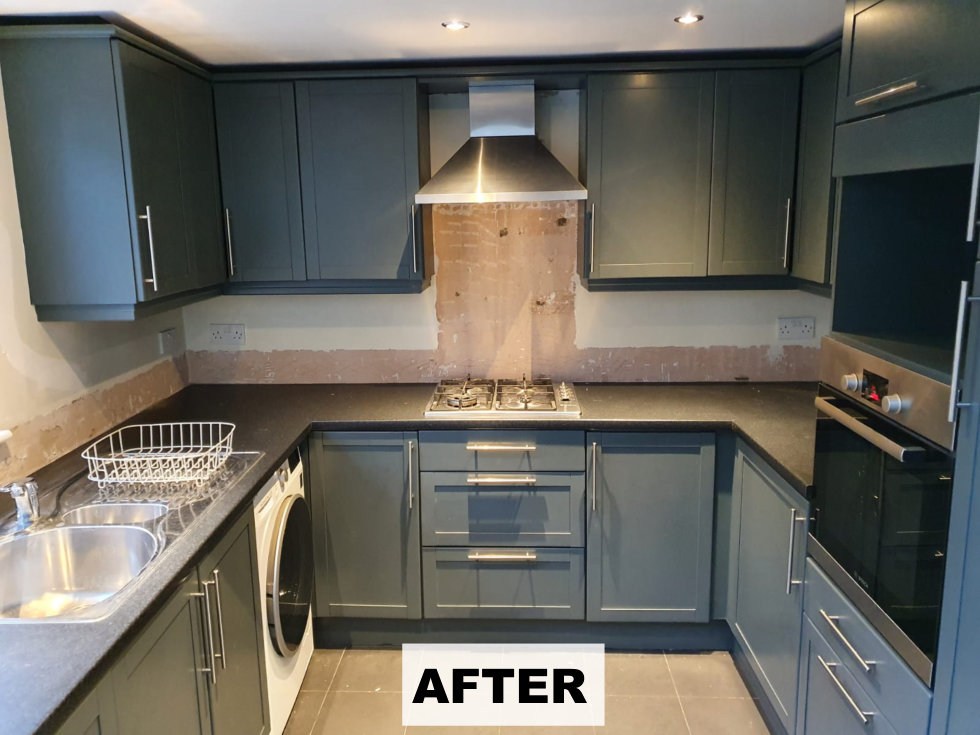
One frequent mistake beginners make is not remembering to get ready the surface properly prior to using spray paint. This can result in bad bonding as well as an uneven finish. To avoid this, always clean the area well to remove dirt, grease, and previous paint. Sanding the surface gently can also help create a stronger adhesion for the spray paint. If Kitchen Respraying And Spraying Allerton Bywater West Yorkshire are working with metallic and glossy surfaces, applying a primer designed for that material can make a huge impact.
A further common error involves putting on excess paint in a one layer, as this can cause in runs, drips, as well as an irregular appearance. Rather, focus on using multiple thin coats instead of a single thick layer. This approach not just offers a smoother finish and also helps reduce the drying duration. Keep the nozzle at a consistent range from the area and use a steady, sweeping action to apply the coating uniformly.
In conclusion, neglecting adequate airflow and health precautions can lead to health risks as well as poor outcomes. Make sure to spray paint in a well-ventilated space, and consider putting on a facial mask, protective glasses, and gloves to safeguard yourself from vapors plus overspray. By following to these safety precautions and ensuring adequate airflow, you can develop a safer painting environment while also achieve a higher quality outcome.
Tools and Preparation for Effective Spray Painting
To achieve a smooth spray painting finish, having the right gear at your fingertips is crucial. Start with a top-notch spray paint tailored to your project, whether it is for timber, metal, or synthetic surfaces. Additionally, allocate resources in a spray gun or nozzle suitable for your task size and preferred outcome. Be sure to have important accessories like a drop cloth to protect your area, painter's tape for making clean lines, and a mask or respirator for your protection while spraying.
Preparation is fundamental when it relates to spray-painting. Begin by choosing a well-ventilated area that is free of dust and debris. Scrub and prepare your surfaces completely by sanding them if necessary and applying primer where necessary. This not only enables paint adhere well but also can prevent common issues such as drips and runs. Taking the time to get ready your workspace will set you up for success.
Finally, consider the circumstances in which you are spray-painting. The optimal temperature for spray paint deployment is generally between 50 to 90 degrees Fahrenheit, with reduced humidity. These conditions ensure that the paint sets evenly and adheres properly to surfaces. By following these guidelines, you can avoid typical pitfalls and improve the overall quality of your result.