

Installing an air conditioning unit is a crucial stage for guaranteeing comfort in your residence, especially in those hot summer months. With numerous options accessible, whether you're looking into central air or a ductless mini-split system, realizing how to handle installation can be daunting. This manual will walk you through everything essential to learn about air conditioning installation, from the crucial signs that indicate it’s time for a new system to expert advice on choosing the right unit for your individual requirements.
Grasping the installation process is important not only for achieving optimal comfort but also for boosting energy efficiency and lowering your utility bills. From getting ready your home for installation to spotting common mistakes to avoid, this comprehensive article will supply you with the knowledge needed to make informed decisions. Whether https://newmuslim.iera.org/members/streetattic41/activity/717115/ 're a new homeowner or looking to enhance your existing system, we’ll discuss all the details to assist you keep cool and comfortable for the long haul.
Clues That You Should Get a Replacement Air Conditioner
As a property owner, it is crucial to identify the clues that signal it may be time to acquire a new air conditioning unit. One of the key signals is persistent breakdowns. If you find yourself calling for repairs, particularly during the hottest summer months, it could be a sign that your unit is nearing the end of its service life. Repeated issues not only interrupt your comfort but can also lead to increasing costs that might exceed the value of an aged system.
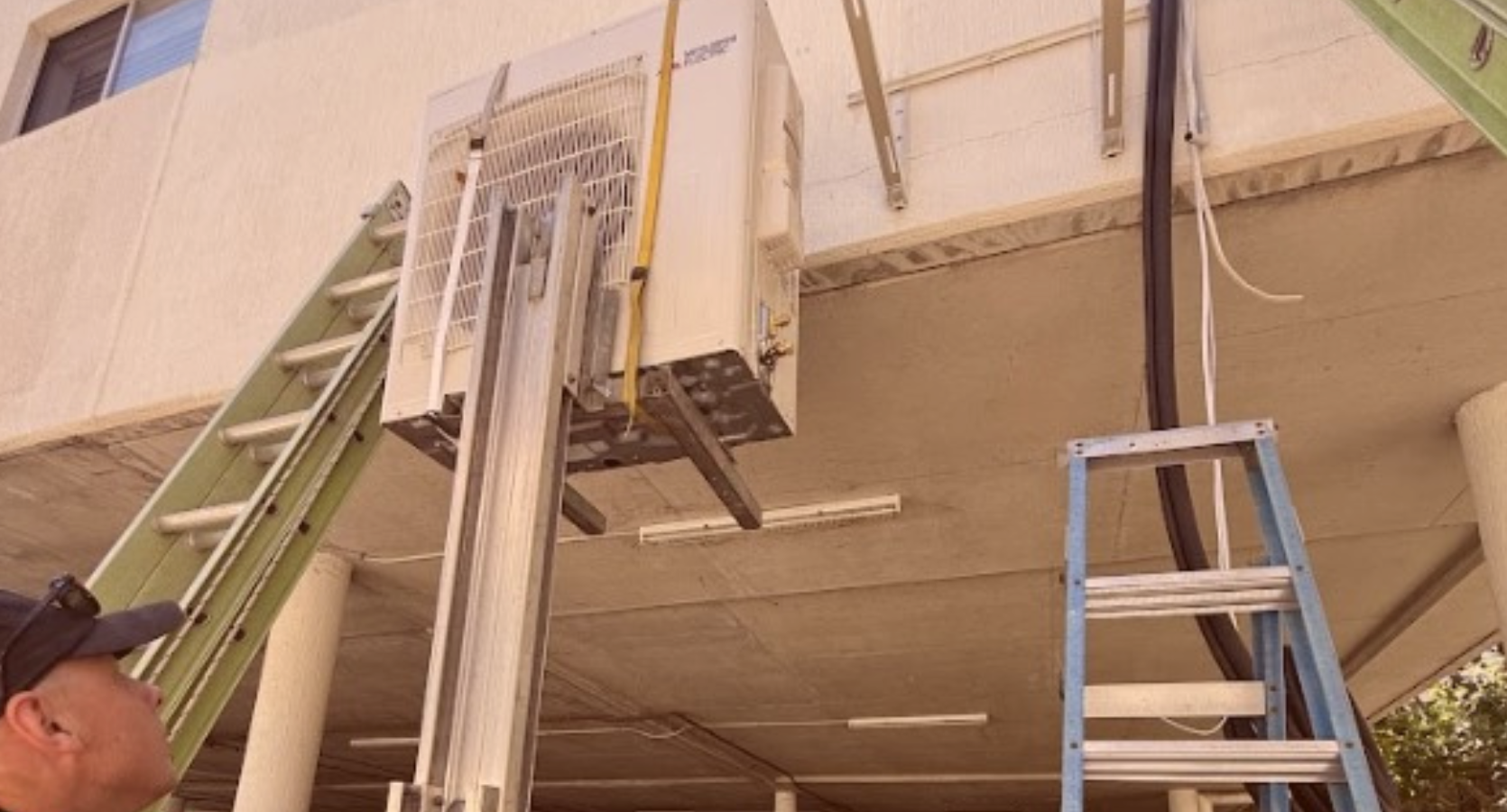
Another clear sign is a noticeable increase in energy bills. If your energy expenses have surged without any alterations in usage patterns, your aging air conditioner may be operating overtime to maintain your home. An ineffective unit has difficulty to achieve the desired temperature, consuming more energy in the process. This inefficiency not only harms your wallet but also has larger implications for energy efficiency and the ecology.
Lastly, reflect on the overall comfort level in your home. If some rooms are uncomfortably hot or cold, your air conditioning system may not be properly sized or functioning effectively. Uneven cooling is often a hint that a unit is struggling to perform its critical role. By addressing these indicators early, you can prevent further discomfort and ensure a trustworthy cooling mechanism for your home.
Selecting the Appropriate Unit for Your Home
While picking an air conditioning unit for your home, it’s crucial to think about the size of the area you want to cool. An too small unit will struggle to keep comfortable temperatures, while an too large unit may cool the area too fast, leading to suboptimal energy use and humidity issues. To find the correct size, you can use the British Thermal Unit (BTU) rating, which shows the cooling capacity of the unit. A qualified contractor can perform a load calculation to help you determine the right size for your home.
In addition to size, you'll need to evaluate the kind of air conditioning unit that most suits your needs. Whole-house air conditioning systems are perfect for cooling big homes and provide consistent temperature distribution through ductwork. On the flip side, ductless mini-split systems offer versatility, allowing you to cool specific rooms without the need for extensive ductwork. Think about factors like installation costs, energy efficiency, and your home's layout when making your decision.
In conclusion, think about the features that are included in modern air conditioning units. Energy-efficient models with high SEER ratings can lower your utility bills and shrink your carbon footprint. Smart thermostats that connect to new air conditioning systems allow for remote control and scheduling, enhancing convenience and efficiency. Look for more features such as variable-speed compressors, air filtration systems, and sound reduction technology to ensure the optimal air conditioning experience for your home.
The Installation Process: How to Anticipate
When you choose to set up a new air conditioning unit, the initial step will usually involve arranging a consultation with a professional installer. During this appointment, the technician will evaluate your home, considering its size, layout, insulation, and existing ductwork if applicable. They will help you choose the appropriate type and size of air conditioner that will efficiently cool your space while keeping in mind your budget and energy efficiency needs.
On the day of installation, the team will arrive with the necessary equipment and tools. They will begin by readying your home, ensuring that the work area is free of clutter and protecting your flooring and walls as needed. The installation process may vary depending on the kind of system chosen, whether it is central air or a ductless mini-split. Generally, the technicians will install the outdoor unit and connect it to the indoor components, running refrigerant lines and electrical wiring as necessary.
Once everything is installed, the technician will conduct a comprehensive inspection to ensure everything is working properly. They will explain the new system's features, provide instructions on how to operate it, and discuss maintenance tips to ensure optimal performance. At the end of the installation, you can expect a clean and tidy work area, along with the assurance that comes from having a skilled installation.