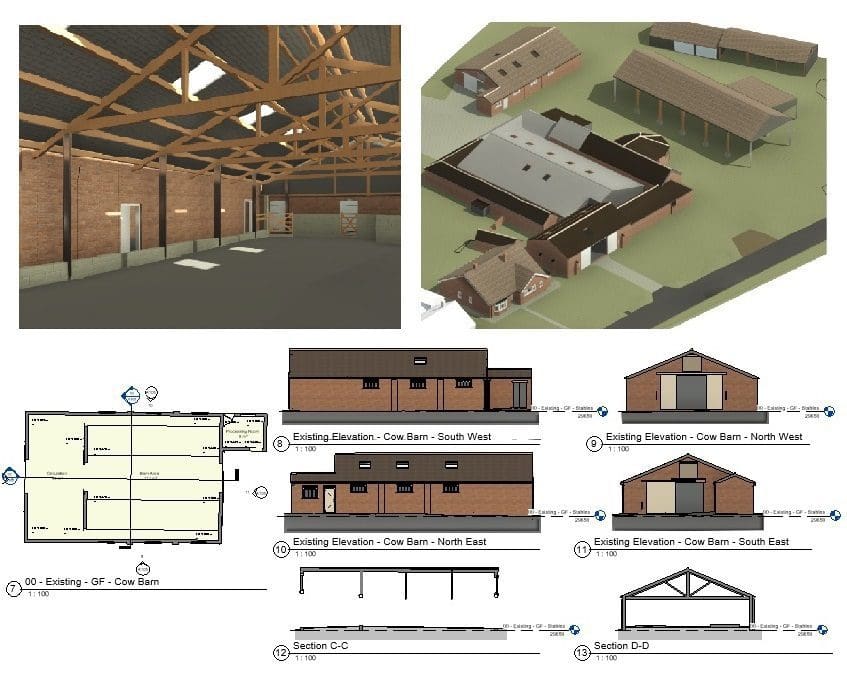
Survey services constitute the cornerstone of precise real estate valuation, making sure that property boundaries are definitively defined and understood. In an industry where accuracy is crucial, professional surveyors provide essential data that affects everything from property sales to construction projects. Whether you are a homeowner seeking to accurately establish your property lines or a developer beginning on a new construction venture, hiring a skilled surveyor can conserve you hours, expenses, and potential legal headaches.
As you navigate the complexities of land ownership and real estate transactions, grasping the various types of surveys and their significance becomes crucial. From boundary surveys that prevent issues to topographic surveys that inform construction plans, each type of survey plays a pivotal role in decision-making processes. This article will explore the top reasons to employ a professional surveyor, the different types of surveys available, and the critical role these services have in guaranteeing compliance, enhancing property rights, and aiding development efforts.
Significance of Professional Land Surveying
Expert land surveying is crucial for ensuring exact property lines and dimensions, which are fundamental factors in real estate transactions. Lacking a detailed survey, purchasers may confront unexpected disputes regarding real estate boundaries, resulting in potentially costly legal issues. A licensed surveyor has the skills and resources necessary to clarify and document these boundaries accurately, providing a feeling of assurance and trust for everyone involved.
In addition to avoiding disputes, expert land surveying plays a crucial role in property valuation. Real estate appraisers rely on surveys to evaluate a property's pricing accurately. By establishing the precise size, shape, and dimensions of a property, surveyors help appraisers arrive at fair market values, which are vital for both buyers and vendors. This correct valuation is a critical aspect for mortgages, insurance, and future development plans.
In addition, expert surveying ensures compliance with municipal zoning laws and regulations, which can vary considerably from one location to another. Surveyors measure the property's size in relation to zoning laws, ensuring that any proposed development complies with legal standards. This diligence not only safeguards the interests of developers and property owners but also supports the overall planning and sustainable development of societies.
Forms of Property Surveys and Applications
Site evaluations are essential tools in land development and development, offering a diverse array of options tailored to individual requirements. Property boundary surveys are one of the predominant types of evaluations, designed to determine the exact borders of a site. They are important for resolving disputes, ensuring that property owners are aware of their rights, and verifying lot lines for building projects. A boundary survey provides a definitive formal delineation of the property, making it a essential element of any real estate transaction.
Moreover, another vital kind is the topographic survey, which depicts the terrain's shapes and features. This form of survey is crucial for understanding the lay of the land, especially in areas where topographical variations can impact water flow, green space, or development tasks. Topography evaluations help designers and engineers plan buildings and public works that are compliant with the geography, leading to responsible growth initiatives.
ALTA and NSPS evaluations are also important, particularly for industrial sites. These surveys are detailed and align with established criteria set by the American Land Title Association and the NSPS. They feature information about site borders, rights of way, and upgrades, providing critical data for investors, contractors, and stakeholders. Grasping the multiple kinds of site assessments helps land proprietors and investors make educated decisions about their properties and endeavors.
Measuring in Real Estate Transactions
When participating in real estate transactions, accurate surveying plays a crucial role in making sure that the purchaser is completely aware of what they are purchasing. Look at more info provides essential information about property boundaries, easements, and any restrictions on the land that could affect its use. This information not only helps in bargaining the purchase price but also protects the buyer from potential conflicts that may arise after the sale.
Additionally, real estate transactions often require proof of zoning compliance. Certified surveyors are equipped to confirm that a property adheres to local zoning regulations and land use strategies. This confirmation is vital for ensuring that the planned development or modifications to a property comply with regional laws. Buyers benefit from this precise knowledge, enabling them to make informed decisions and prevent future legal complications.
Lastly, the legal importance of an accurate land survey cannot be underestimated in real estate transactions. An up-to-date survey serves as a vital document in closing agreements and can be instrumental in resolving disputes regarding property lines or property line encroachments. By obtaining the services of a licensed surveyor, both buyers and sellers can navigate the complexities of real estate transactions more effectively, leading to smoother processes and greater peace of mind for all parties.