

Land surveyors play a crucial role in shaping the world around us, yet their contributions often go overlooked until we realize ourselves involved in a real estate transaction, building project, or land dispute. With Utility Surveys York anchored in scientific methods, mathematics, and regulations, these experts provide important services that assist homeowners, developers, and municipalities alike. From defining property boundaries to facilitating construction planning, surveyors ensure that projects are carried out efficiently and accurately, avoiding costly errors and legal complications.
In the modern rapidly evolving landscape, the approaches and technologies applied by surveyors are changing the industry. With advances such as GPS and drone technology, the accuracy and efficiency of land surveys have reached remarkable heights, making it simpler than ever to collect critical information about our environment. If you are thinking about purchasing a new property or embarking on a construction endeavor, understanding the role of a surveyor and the different types of surveys available can enable you to make educated decisions and navigate the complexities of land ownership with assurance.
Comprehending Property Surveys
Land surveys are a vital component of property ownership and development, providing crucial information about property boundaries, topographical features, and land demarcations. They entail measuring and charting the physical land and its existing structures to create an exact representation of a plot. This depiction is important for various purposes, including real estate deals, zoning requests, and construction projects. By establishing precise boundaries, surveys help guarantee that property owners know exactly what they own and can prevent disputes with neighboring properties.
There are several types of land surveys, specifically designed to different needs. Property boundary surveys determine the exact boundaries of a property, while topographic surveys detail the contours and features of the land. Others, like ALTA surveys, are particularly useful for business dealings, as they incorporate particular criteria enforced by financial institutions and title insurance companies. Knowing the type of survey needed for a specific case is crucial for property owners to protect their assets and adhere with local regulations.
The surveying process begins with on-site work, where surveyors use tools such as Global Positioning System and survey instruments to gather data about the land. This data is then processed and used to create detailed maps and reports. As technology advances, the surveying profession is adapting to incorporate new technologies like aerial surveying and 3D scanning, which enhance accuracy and effectiveness. Understanding the importance of precise land surveys can help landowners make well-informed choices and avoid costly mistakes in property development and dealings.
The Role of Surveyors in Property Deals
Property surveyors play a vital role in property transactions by supplying necessary data that educates purchasers and vendors about the land in consideration. They carry out comprehensive assessments of the land edges, property rights, and any possible encroachments that could influence ownership rights. This information is priceless, as it assists mitigate issues and ensures that both sides are thoroughly knowledgeable of what is included in the sale. For real estate owners, understanding these factors can be the distinction between a hassle-free transaction and possible legal issues down the line.
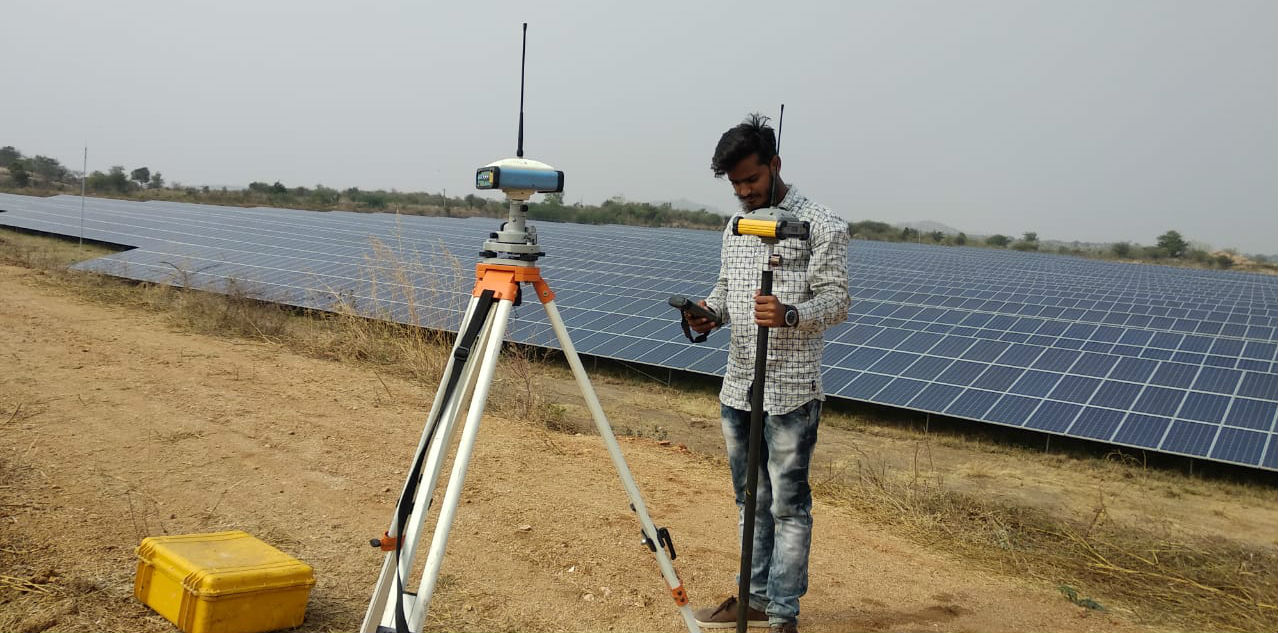
Before any property transaction, it is recommended to conduct a thoroughly detailed land evaluation. This method not only defines the exact demarcation of the parcel but also reveals any land use regulations and limitations that may affect upcoming projects. By having a clear understanding of these aspects, buyers can assuredly decide whether to proceed with the buy or alter terms that align with their objectives. Expert surveyors utilize current technologies and proven methodologies to deliver accurate survey findings, thus ensuring the safety of both purchasers and clients during this essential phase.
Furthermore, land surveyors enhance the significance of real estate transactions by guaranteeing compliance with local laws and rules. For business purchasers, tailored surveys such as National Society of Professional Surveyors surveys become essential, as they provide detailed insights into property title conditions, rights of way, and other pertinent issues. This level of in-depth analysis not only mitigates risks but also creates a layer of confidence for lenders and creditors. Ultimately, the specialization of property surveyors creates a basis for effective real estate deals, cultivating confidence and clarity among all parties involved.
Choosing the Right Surveyor for Your Needs
Choosing an appropriate surveyor for your needs is crucial to achieving accurate results and preventing potential disputes. Begin by identifying the specific type of survey you require, whether it’s a boundary survey, topographic survey, or an ALTA/NSPS survey. Every survey type has different purposes and methodologies, so knowing your needs will help you in finding a qualified expert with the appropriate expertise. Search for surveyors who specialize in the type of surveying you need and possess a solid reputation in that area.
When assessing potential surveyors, consider their qualifications and experience. Verify their licenses and certifications to ensure they meet local and state regulations. Additionally, inquire about their experience with projects comparable to yours. A surveyor with a established track record in residential, commercial, or rural properties, based on your focus, will likely provide enhanced insights and results. Client testimonials and referrals can also provide you a notion of their reliability and quality of work.
Finally, talk about fees and timelines upfront. The cost of a land survey can vary widely based on the scope and complexity of the project. Be clear about your budget and ask for a detailed estimate outlining all potential costs involved. Also, inquire about the expected timeline for completion, as delays can affect your overall project schedule. Open communication about your expectations and concerns will help establish a good working relationship and ensure that your surveying needs are addressed effectively.