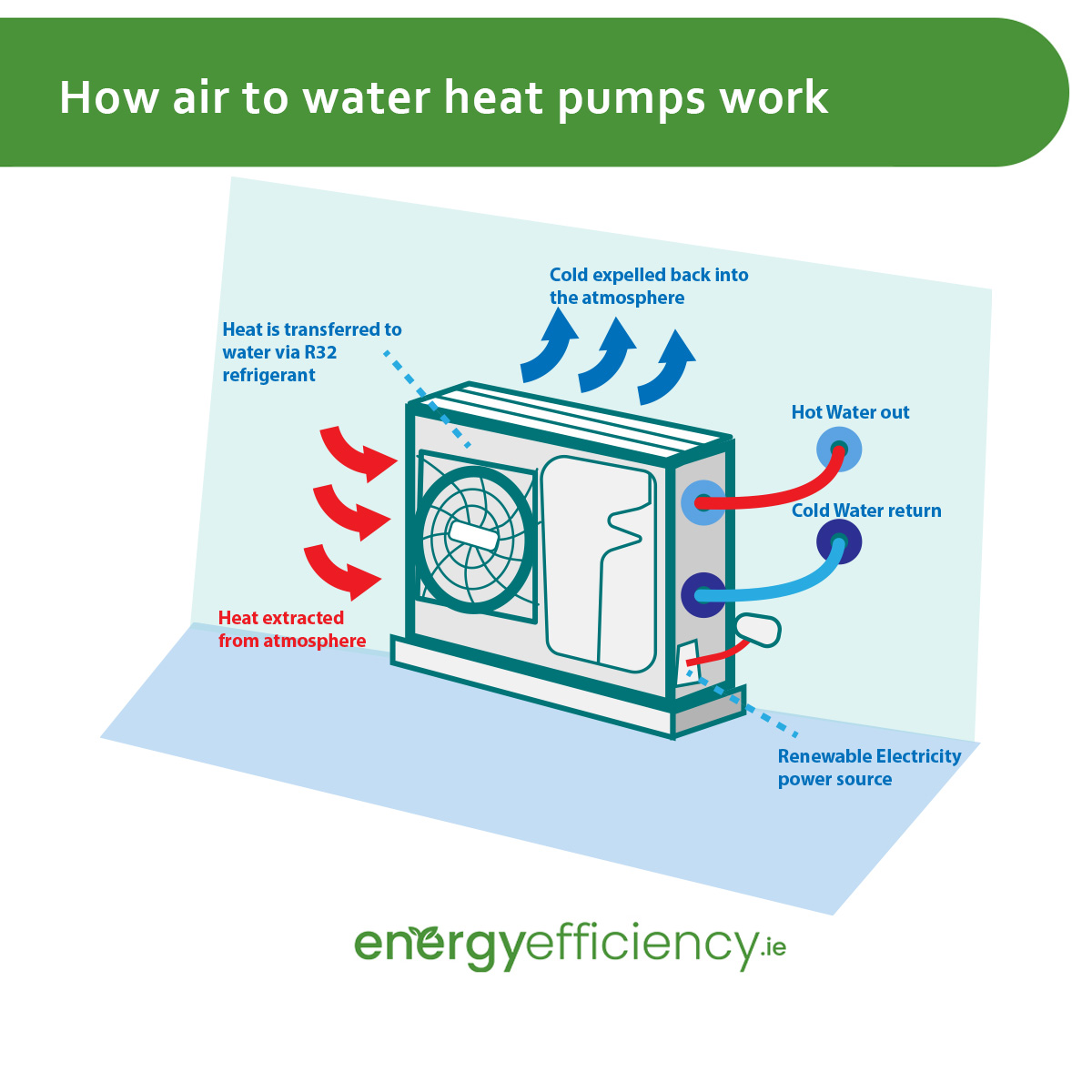
In recent years, the discussion between heat pumps and traditional heating and cooling systems has gained substantial attention among property owners. As energy efficiency and environmental concerns persist to grown, many are looking for options to traditional HVAC systems. Heat pumps have risen as a top contender, delivering innovative technology that not only offer lower utility costs but also a smaller environmental impact. This comprehensive guide aims to demystify heat pumps, exploring their mechanics, effectiveness compared to conventional units, and why they might be the right option for the home.
Regardless of whether you live in a chilly environment like Colorado or are evaluating the latest choices available in 2026, understanding heat pumps is crucial for making smart choices about your home’s. From the basics of setting up to the advantages of switching, we will cover everything homeowners need to be aware of, including upkeep advice, installation costs, and how to recognize the signs that it’s time to replace your current system. So, let’s dive into the realm of heat pumps and discover if they are indeed the next step of home heating and cooling.
Comprehending Heat Pumps
These systems are cutting-edge solutions designed to both heat and cool residential areas by shifting heat from the interior and exterior of a home. Differing from traditional heating solutions that generate heat from gas, oil, or electricity, heat pumps move available heat. In warmer months, they extract heat from the interior of your house and release it into the environment, while when it’s cold, they do the reverse by pulling heat from the outdoor air or ground and transferring it indoors. This distinct functionality makes them an energy-efficient alternative to conventional HVAC systems.
One of the major benefits of heat pumps is their energy efficiency. They can deliver more energy than they use by using a minimal amount of electricity to support the heat transfer process. This energy-saving capability translates to lower utility bills and a smaller carbon footprint, making heat pumps an environmentally-friendly choice for homeowners. Moreover to being efficient, they can efficiently maintain a comfortable indoor climate year-round, adjusting to seasonal changes seamlessly.
Additionally, heat pumps come in various types, including air-source and ground-source models, each offering unique benefits according to the specifics of installation and climate considerations. Homeowners considering a move to heat pumps should assess their unique needs, such as the size of their home and local climate, to determine the most appropriate type. With continued advancements in technology and increasing awareness of their benefits, heat pumps are set as a top solution for future home heating and cooling.
Benefits and Outlays of Heat Pumps
One of the primary benefits of heat pumps is their efficiency in energy use. Unlike traditional HVAC systems that create heat by using fuel, heat pumps transfer heat, employing less energy to achieve the desired indoor temperature. This can lead to significantly reduced energy bills, making heat pumps an favorable choice for homeowners. Moreover, heat pumps can provide both heating and chill, offering continuous comfort without the need for separate systems, which can further save on setup and upkeep costs.
However, the upfront installation cost of heat pumps can be a issue for many. While Heat Pumps Yorkshire can vary widely depending on the type of heat pump and installation specifics, they generally have a elevated upfront cost compared to standard heating systems. Homeowners should factor in not just the installation costs but also the future savings on energy costs. Additionally, various rebates and tax breaks available can help balance upfront expenditures, making heat pumps more monetarily viable in the long run.
Another consideration to consider is the prospective duration and maintenance of heat pumps. They are designed to survive longer than traditional systems, often providing consistent service for 15 years or longer with proper care. Routine maintenance is crucial to maintain performance efficiently and to prolong their life. Understanding the costs related to continuous upkeep and repairs is crucial when assessing the total cost of ownership for heat pumps, ensuring that homeowners are fully informed before reaching their decision.
Installation and Upkeep Tips
Setting up a heating and cooling pump demands careful planning and consideration of various aspects, like the magnitude of the pump and the specific heating and cooling needs of your residence. A certified installer can assist identify the right type and measurement of the heat pump, considering the configuration of your home and surrounding climate conditions. When setting up a heat pump, it’s crucial to evaluate whether a ducted system or ductless fits best for your space. Taking into account these considerations can result in effective functioning and maximal comfort.
After your heat pump is put in place, consistent upkeep is important to guarantee its longevity and effectiveness. Scheduled servicing, including washing air filters, checking refrigerant levels, and examining air ducts, can help prevent common issues that may occur. Residents should strive to schedule a trained maintenance check at least once a year. Simple tasks like keeping the outside equipment uncluttered and ensuring appropriate air circulation can also improve a heat pump's performance and longevity.
Furthermore, it’s vital to educate yourself on how to resolve insignificant problems that can arise with heat pumps. Frequent issues are strange auditory disturbances, variable temperature readings, or reduced performance, which can often be resolved with basic changes. Nevertheless, knowing when to call in a specialist is also crucial. Taking initiative about both regular maintenance and small problem fixes can help maximize the durability of your heat pump while confirming it operates at peak efficiency throughout the seasons.