

As property owners more and more search for effective and sustainable solutions for their heating and air conditioning needs, heat pump systems have emerged as a transformative alternative to traditional HVAC systems. With innovations in technology and aesthetics, these systems not only offer enhanced energy efficiency but also present versatility in usage, which makes them an desirable option for contemporary homes. If you are interested about how heat pumps function, their advantages, and whether they could be the appropriate choice for your house, you are in the right place.
In this detailed guide, we will reveal all you need to know about heat pumps, from installation basics to performance in difficult climates. We will explore key factors such as performance comparisons with traditional systems, expenses of installation and maintenance, and the ecological benefits of making the switch. Whether you are considering a brand new heat pump for a new construction or looking to retrofit your current home, our insights will help you take informed decisions that align with eco-conscious goals and individual comfort.
Understanding Heat Pumps
Heat pumps are sophisticated heating and cooling systems that transfer thermal energy rather than create it. They work by extracting heat from the atmosphere, ground, or water and transferring it into a dwelling during colder months, while in hotter months, they invert the process, delivering air conditioning. This efficient approach of heat transfer enables heat pumps to supply 3-4 times more power than they use in electricity, making them a economical alternative to traditional HVAC systems.
One of the primary benefits of heat pumps is their flexibility. They can be used in various types of buildings, from small homes to large commercial spaces, and can successfully operate in a range of weather conditions. However, their effectiveness can differ based on the regional climatic conditions. In regions with mild cold seasons, heat pumps are particularly efficient, while in frigid climates, such as Colorado, it’s crucial to pick models engineered for low heat or consider hybrid systems that combine heat pumps with traditional heating methods.
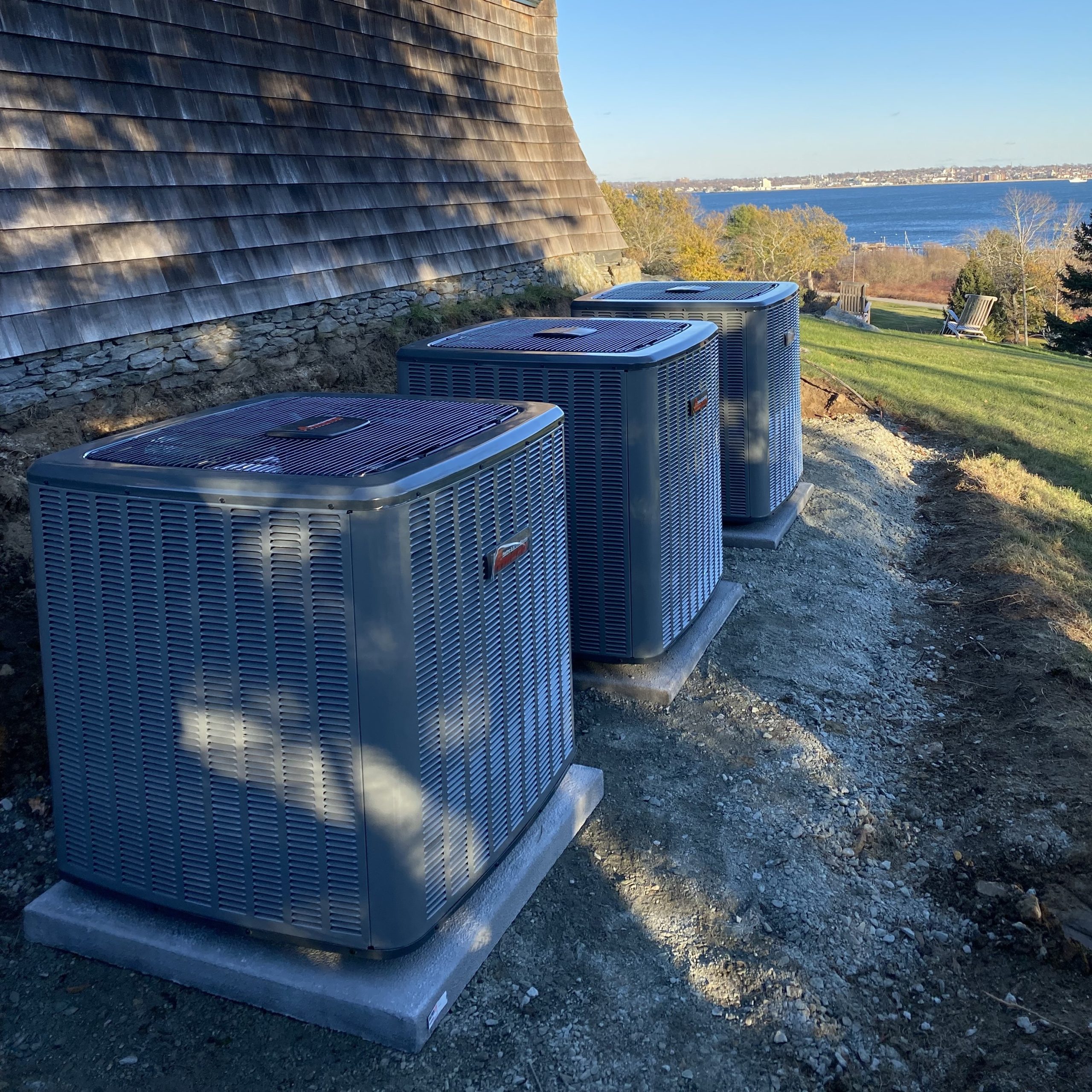
As property owners increasingly seek eco-friendly solutions, the attraction of heat pumps continues to grow. They not only assist reduce energy costs but also play a role to reducing carbon emissions due to their eco-conscious operation. With numerous options available, including air source and earth-based heat pumps, homeowners can find systems that are most suitable for their requirements and preferences, ensuring year-round comfort and efficiency.
Efficiency and Performance
Heat pumps systems are renowned for their high effectiveness versus classic HVAC systems. They operate by transferring heat as opposed to generating it, enabling them to use substantially less energy. This efficiency results in lower energy bills, making heat pumps an attractive option for homeowners looking to reduce their utility costs. On average, heat pumps can offer three to 4 more heating or cooling energy than the electricity they consume, making them a economical choice for climate control.
Functionality is another crucial consideration when examining heat pumps. They can successfully control indoor temperatures in different conditions, especially when combined with modern smart thermostats that enhance their operation. Advanced models have been designed to perform effectively in cold climates, tackling the common misconception that heat pumps are ineffective in colder temperatures, such as found in Colorado. Innovations in technology continue to improve their performance, making sure that homeowners can experience consistent comfort year-round.
Another aspect of performance is the lifespan and consistency of heat pumps. With proper maintenance and care, heat pumps can last for numerous years, providing consistent heating and cooling. Regular servicing can prevent common issues and extend the lifespan of the system, contributing further to its efficiency and minimizing the need for costly repairs or replacements over time. For homeowners seeking to maintain a comfortable living environment while being energy efficient, considering a heat pump can be a decision that is beneficial now and later.
Setup & Maintenance
Installing a heat pump demands careful consideration of various elements to guarantee maximum efficiency. Homeowners should begin by assessing their home's particular heating and cooling needs, which includes figuring out the appropriate size of the unit. Engaging https://graph.org/Revolutionizing-Household-ComfortThe-Surge-of-Heating-Pumps-04-03 is crucial, as they can adequately analyze system compatibility and local building codes. The installation process generally takes 1-2 days and ought to occur during moderate temperatures for the best results. Proper locating of the outside component is essential to prevent contact to obstructive elements and ensure efficient operation.
Once your heat pump is installed, routine care is crucial to maximizing its service life and operational efficiency. Property owners should create a routine that entails replacing or cleaning filters every monthly to quarterly to sustain airflow and operating efficiency. Additionally, booking yearly expert inspections will facilitate the detection of issues before they turn major. During these inspections, technicians can clean the coils, monitor refrigerant levels, and ensure that the wiring are working well.
As with all home systems, being conscious of typical concerns can save you time and costs. Unusual sounds, fluctuating temperatures, or increased utility costs can suggest that your heat pump needs servicing. Addressing these signs early can avoid costly repairs in the future. By following maintenance guidelines and remaining aware to your system performance, homeowners can reap the rewards of their heat pump while keeping it running effectively for the long term.