

Power is a powerful force that brings convenience and comfort to our lives, but it can also present significant risks if not handled properly. This is where electrical inspections come into play, serving as key checkpoints that ensure the protection and performance of our electrical systems. Comprehending what an electrical inspection is and why it is crucial is vital for home owners, commercial owners, and anyone involved in asset management. Regular inspections not just help in identifying prospective hazards but also play a crucial role in upholding adherence with security standards and protecting investments.
From finding malfunctioning wiring to identifying old electrical codes, electrical inspections uncover issues that may not be immediately visible but can have serious consequences. In this article, we will explore the many sides of electrical inspections, including their importance in home safety, the frequent problems that arise during these evaluations, and the implications for both residential and commercial properties. Whether Find more information are a first-time homeowner or a seasoned property manager, understanding the value of electrical inspections can considerably contribute to a more secure and more productive environment.
Understanding Electrical Audits
Electrical assessments are comprehensive reviews of a building's electrical system to ensure safety, adherence, and efficiency. These evaluations are executed by qualified professionals who examine the wiring, circuits, outlets, and overall electrical layout. Go here is to identify any likely hazards or code violations that could pose risks residents or the structure. Apprehending the significance of these inspections can assist homeowners and business owners focus on security and confirm their electrical systems are operating efficiently.
One of the key reasons for conducting electrical evaluations is to mitigate fire hazards. Malfunctioning wiring, overloaded circuits, and outdated systems are among the main contributors to electrical fires. Inspectors search for signs of wear and damage, confirming that the electrical system complies with current safety standards. With technology evolving, inspectors also verify if more advanced technologies are incorporated, potentially lowering energy consumption and costs.
Moreover, electrical assessments play a essential role in preserving homes and businesses. Regular inspections can identify issues before they grow into more major problems, which protecting your asset. For sellers, obtaining a favorable electrical inspection report can enhance property value, as interested buyers feel more assured about the reliability and reliability of the home. Thus, grasping the scope and importance of electrical audits is important for anyone involved in asset management or management.
Frequent Issues and Hazard Dangers
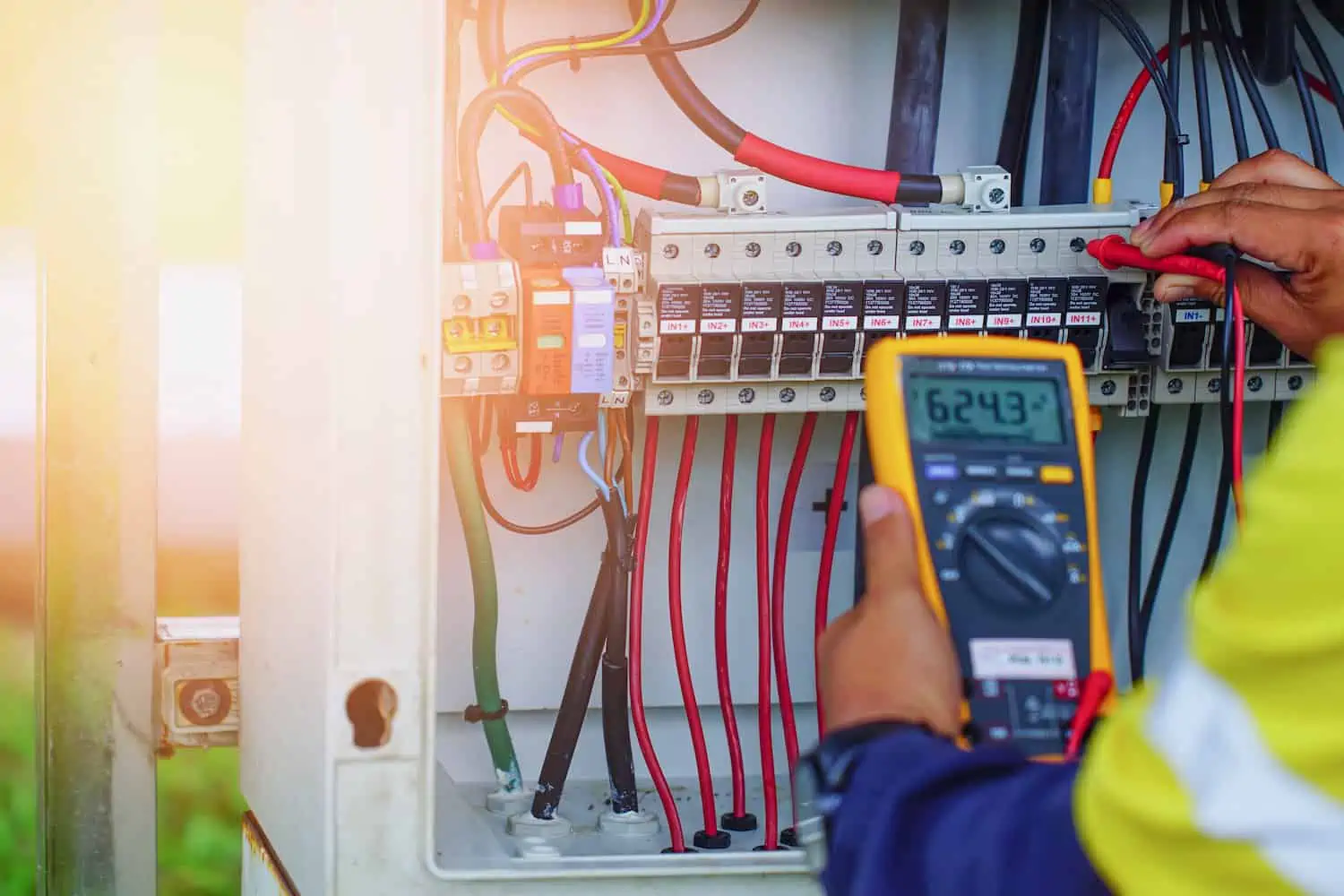
Electrical evaluations are crucial for finding frequent issues that can present safety hazards. One widespread problem is obsolete wiring, which can lead to overheating and heighten the risk of electrical fires. Many antique homes still have wiring materials that no longer meet modern safety standards, making them vulnerable to faults. Inspectors check for worn wires, inadequate grounding, and incorrect splicing, which can all cause hazardous situations.
A further frequent problem found during electrical evaluations is overloaded circuits. Homeowners often use power strips and extensions to accommodate multiple devices, which can surpass the circuit's limit. This not only risks tripping breakers but also creates a fire hazard if the wiring won't handle the load. Inspectors assess the overall electrical load of the system to ensure it can safely support the homeowner's needs without any risk.
Furthermore, improper installation of outlets and switches can result in major safety hazards. This includes loose connections, wrong wiring, and no GFCI (ground fault circuit interrupter) protection in areas near water. An assessment will reveal these problems, ensuring that all electrical components are correctly installed and functional, thus protecting the inhabitants from possible shocks or conflagrations.
Getting Ready for an Inspection
To ensure a seamless electrical inspection process, it is crucial to get ready your home in preparation. Start by removing areas around electrical panels, outlets, and switches. This accessibility not only aids the inspector conduct their assessment efficiently but also allows you to identify potential issues that may need attention. Additionally, tidying your home and documenting past electrical work can provide important context to the inspector.
Next, collect necessary documents, such as previous inspection reports, receipts for recently completed electrical repairs or upgrades, and any warranty information for appliances. This information can assist the inspector in understanding your electrical system’s history and recognizing any persistent problems. It also demonstrates responsible maintenance, which can lead to a more favorable inspection outcome.
Finally, be ready to address questions from the inspector regarding the age of your electrical system, any unusual occurrences, or changes you may have made to your home's electrical configuration. Open communication can promote a thorough evaluation. Remember to take notes during the inspection, as this information can be beneficial for future maintenance and ensuring your home remains safe and up to code.