

In the current dynamic and technologically advanced world, the importance of surveying solutions has transformed dramatically. As property lines grow ever more convoluted and development projects scale up in scope, the necessity for expert surveyors who utilize these innovations has reached new heights. Modern surveying incorporates traditional techniques but additionally integrates cutting-edge technologies like GPS and drones to improve precision and efficiency. Understanding how these developments work can assist property owners, developers, and construction professionals make educated decisions about their land and projects.
When participating in any real estate deal, infrastructure development, or construction project, the value of reliable and valid surveying cannot be overstated. From lot surveys that mitigate disputes to elevation surveys that guide construction, professional surveyors are critical partners in ensuring success. This article will explore the various aspects of surveying services, including what to expect during a land survey, the categories available, and the technological improvements reshaping the industry. Whether you are a homeowner, a contractor, or a property developer, being aware about surveying can preserve you time, money, and future legal headaches in the future.
Essential Factors to Engage Professional Surveyors
While embarking on a land development project, hiring a skilled surveyor is essential for guaranteeing accuracy and conformance. Professional surveyors possess the skills and specialized experience required to conduct surveys that meet regulatory standards. They are equipped with cutting-edge technology and tools that enhance precision, resulting in trustworthy data that can prevent costly errors down the line. Their extensive understanding of local regulations and zoning laws also helps deal with the complexities of land use, making them indispensable partners in the development process.
Another major reason to engage a professional surveyor is their role in defending property rights. Precise boundary surveys are essential for determining property lines, which can prevent conflicts between neighbors. Surveyors meticulously document and map these boundaries, ensuring that property owners understand their rights. This clarity can save individuals from future legal battles and confusions about land ownership, making it a smart investment for anyone purchasing property.
Lastly, licensed surveyors are instrumental in the construction phase of any project. They provide critical services such as construction staking, which guarantees that building foundations are positioned accurately in line with plans. This cooperation between surveyors and construction teams can accelerate project timelines, reduce mistakes, and mitigate risks. Without their knowledge, projects can face significant delays and increased costs, underscoring the importance of their involvement from the very beginning.
Types and Value of Land Surveys
Land surveys come in multiple categories, each serving a particular purpose in the realm of property assessment and management. Boundary assessments are critical for establishing property boundaries and guaranteeing accurate delineation of ownership, which can reduce arguments between neighbors. Topographic surveys, on the other hand, illustrate the contours of the land, offering essential information for construction projects and land development. Other classes include ALTA and NSPS surveys, which are detailed surveys specifically designed for commercial transactions, focusing on regulatory needs and property details.
The significance of land surveys cannot be underplayed, especially when it comes to real estate deals and construction. They deliver crucial information regarding the scale, configuration, and features of a property, which can significantly impact its market price and usability. By conducting a proper survey, landowners and builders can make educated decisions, avoid expensive errors, and ensure adherence with local regulations. Furthermore, precise surveying is important for construction initiatives, as it helps in understanding utilization, zoning regulations, and environmental considerations.
Opting in professional surveying services is vital for anyone involved in property building, or land improvement. An exact land survey not only safeguards buyers' investments but also protects their property rights by setting definite boundaries. By understanding Building Surveys South West London of surveys and their significance, interested parties can mitigate risks, enhance land use, and eventually contribute to positive project outcomes.
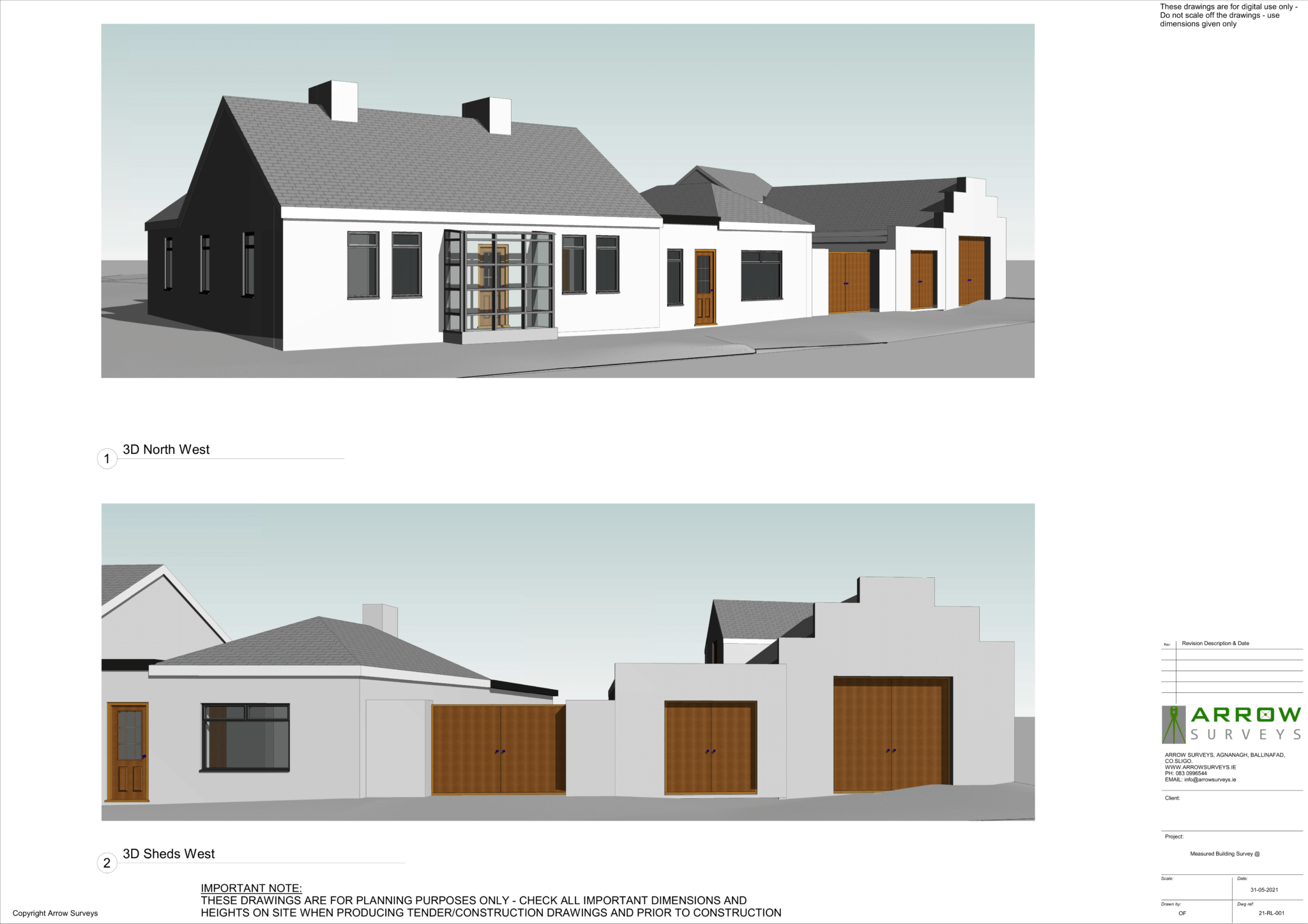
The Impact of Technology on Surveying Services
A integration of innovations into surveying services has changed the industry, boosting accuracy and efficiency. Current surveyors utilize advanced equipment such as global positioning systems and unmanned aerial vehicles, which enable for rapid data collection and exact measurements. These instruments enhance the speed at which evaluations are conducted and can cover larger areas with minimal human intervention. As a result, clients receive more trustworthy results in shorter timeframes, ultimately advancing project deadlines forward.
Moreover, complex software now plays a critical role in data analysis and representation. GIS (GIS) and three-dimensional modeling software enable surveyors to create detailed maps and models, enabling clients to visualize property characteristics and limits more comprehensively. This technology aids in improved decision-making during the preparation and construction phases. Improvements in data retention and exchange encourage collaboration between surveyors, engineers, and architects, ensuring that all participants are aligned throughout the project duration.
Moreover, technology enhances regulatory compliance and exactness in legal issues. For instance, American Land Title Association/National Society of Professional Surveyors surveys, which utilize advanced technology, are crucial for guaranteeing that property transactions adhere to legal standards and correctly depict land characteristics. As surveying practices continue to progress with technological advancements, the emphasis on high-quality, detail-oriented services becomes more critical, comforting clients of their funds and property entitlements.