

Are you weary of handling a wet and mildewy basement? Transforming your basement into a dry space is more than a fantasy; it's an realistic goal with the proper waterproofing strategies. No matter if you're looking to build a cozy living area, a functional storage space, or safeguard your investments, effective basement waterproofing is crucial. home improvement Toronto helps you retrieve valuable square footage and also protecting your home’s structural integrity.
In this ultimate guide to basement waterproofing, you'll find that we explore all you need to understand to keep your basement safe and comfortable. From recognizing the signs that indicate your basement is in trouble to understanding the different waterproofing methods at your disposal, we’ve got you covered. Discover why spending on waterproofing is beneficial for your home’s value and what inquiries to make when choosing a contractor. Bid farewell to dampness and embrace a healthier, more inviting home environment.
Indicators That Your Basement Needs Waterproofing
A major indication of the need for basement waterproofing is the presence of dampness or dampness. If you spot dark spots on the surface, a musty odor, or condensation forming on glass panes and tubes, it is a definite mark that water is seeping into your basement. Left unaddressed, this moisture can lead to mold growth and additional structural problems, making it key to intervene as soon as you detect these concerns.
Another indicator to look out for is bubbling paint or wallpaper. When your basement surfaces are peeling, exhibiting signs of color changes, it suggests that humidity is contained beneath the outer layer. This not only impacts the overall look of your space but also signals potential water damage. Overlooking these clues can speed up deterioration and lead to more costly repairs down the line.
In addition, if you frequently experience musty odors in your basement, this could suggest mold or mildew due to extended dampness. Mold can flourish in wet environments, posing health risks for you and your family. Regularly checking the air quality and any unpleasant smells can help you detect waterproofing issues before they worsen into major concerns.
Interior vs. Exterior Waterproofing: Which is Best?
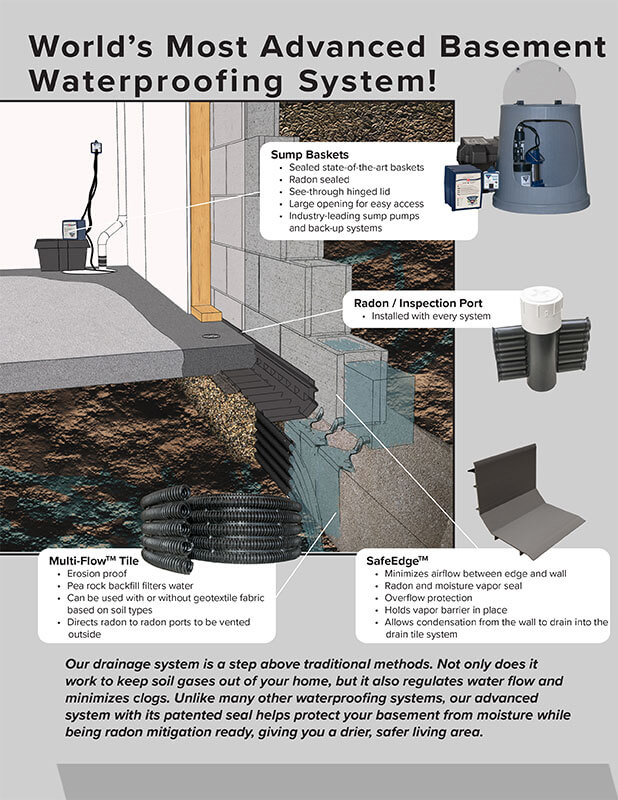
As considering waterproofing solutions for basements, homeowners frequently consider the options of indoor and exterior methods. Internal waterproofing includes using sealants and sealants on surfaces to prevent water infiltration from inside. This technique can incorporate the setting up of drainage solutions, sump pumps, and dehumidifying units. While these methods can successfully manage humidity, they often address the effects rather than the underlying issues of moisture entry.
On the other hand, exterior waterproofing focuses on stopping moisture from accessing the base of the house in the beginning. This strategy typically includes digging around the footing to put in place barriers and drainage systems that channel water runoff from the property. While external approaches are typically costlier and demanding, they provide a more comprehensive approach to protecting the building and are generally viewed as better for long-term protection.
Ultimately, the choice of interior and external solutions is based on different elements, including the severity of water-related issues, the home's design, and the homeowner's budget. A lot of specialists advise a combination of both solutions for optimal results. By tackling both interior moisture control and exterior water barrier systems, homeowners can ensure a damp-free and safe basement space.
The Way Waterproofing Your Basement Enhances The Value of Your Home
Putting money in basement waterproofing can considerably improve your property's worth. Prospective buyers tend to be apprehensive of properties with a background of water damage or moisture problems. By ensuring that ensuring your bottom level remains waterproofed, you present a house that is both protected but also far less likely to incur costly fixes in the long run. This assurance can make your property more inviting to interested parties who seek to escape the trouble of restoration work.
Along with protecting the foundation of the home, waterproofing can also enhance the usefulness of your basement. A clean basement can give more living space, a work area, or entertainment space, further boosting the attraction of your property. Buyers often view added area as a significant asset, which leads to a higher market price. A properly cared for and sealed basement can set your home apart from similar properties in the market.
Moreover, waterproofing can improve your home's energy-saving capabilities and air quality indoors. A well sealed basement lowers the chances of fungus and mildew, contributing to a better indoor atmosphere. This aspect can be notably attractive to health-conscious buyers, making your home an more straightforward sell. In conclusion, waterproofing not only safeguard your money but also boosts the general attractiveness and worth of your property.