

As, numerous homeowners begin thinking about ways to maintain their homes cool and comfortable. Installing air conditioning may seem like a daunting task, but with the right guidance and preparation, it doesn’t have to be. This extensive guide is designed to simplify the process, providing you all the necessary information everything you need to know about selecting, installing, and servicing an air conditioning system customized for your residence.
From understanding the signs that indicate it’s time for a new unit to reviewing the gains of expert installation, this guide addresses all the basics. If Hop over to this website are a first-time purchaser or looking to upgrade your existing system, you will obtain helpful information into selecting the best air conditioner, the different types available, and what you should expect in the installation phase. Let’s explore and eliminate the stress of keeping your home cool and comfortable.
Signs You Require a Replacement Air Conditioner
Knowing when to change your air conditioner is important for keeping a pleasant home environment. One major sign is inconsistent cooling across your home. If specific rooms are too hot or too cold, it may indicate that your system is having difficulty to distribute air evenly. Older units often cannot meet the requirements of contemporary lifestyle cooling needs, leading to uneven temperatures and discomfort.
Additionally clear sign that a replacement air conditioner may be necessary is frequent breakdowns and repairs. If you find yourself calling for repairs multiple times once a year, it may be more cost-effective to invest in a new system rather than continuing to spend on repairs. Moreover, an aging unit typically has a higher chance of malfunctioning, which can become more troublesome and costly over time.
Rising energy bills can also signal that your air conditioner is no more functioning efficiently. If you observe a significant increase in your utility bills despite consistent usage patterns, it may indicate that your air conditioner is losing its efficiency due to deterioration. Investing in a new, energy-efficient system can lead to reduced bills and enhanced comfort once again.
Deciding on the Right Air Conditioner
Choosing the right air conditioner for your home demands meticulous consideration of various factors. First, consider your space and the weather in your location. Larger homes or those in warmer climates may require a more powerful unit, while smaller or cooler spaces can benefit from a less robust option. Additionally, think about the energy efficiency of the units you are looking at. Air conditioners with better SEER ratings will not just cool your home better but can also reduce your energy bills in the long term.
It is crucial to consider the type of air conditioning system that most closely fits your needs. Centralized air systems are effective for whole-house cooling, while mini-split systems offer versatility and efficiency for single rooms. If you have an older home without installed ductwork, a ductless system might be the right choice. Assess your home’s layout, any pre-existing infrastructure, and your budget when making this decision.
In conclusion, features can make a significant difference in your convenience and ease. Look for units equipped with smart thermostats that allow for remote changes and timing. Additional features such as adjustable speed fans and air purifiers can boost your indoor air quality. By taking the effort to research your options and assess your specific needs, you will be more prepared to select an air conditioning system that provides comfort, efficiency, and value for years to come.
Preparing for Installation
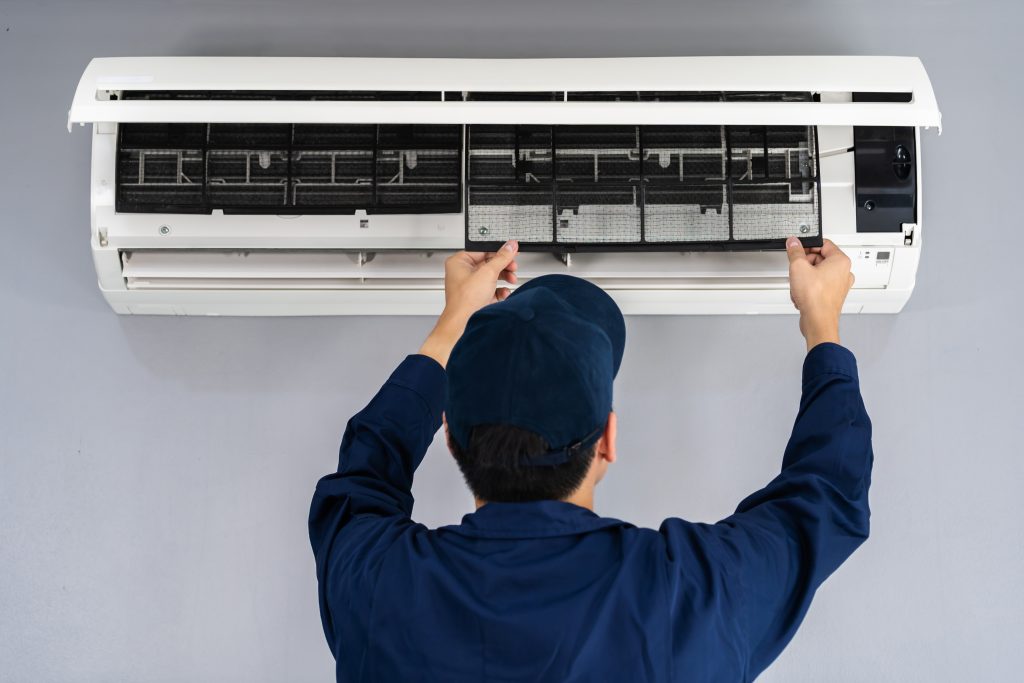
Prior to the installation of your new air conditioning system, it's essential to prepare your home to guarantee a smooth process. Start by removing the area around the set-up site, whether indoors or outside. Clearing away https://taurusresult32.bravejournal.net/air-conditioning-installation-myths-debunked-what-really-functions , decorations, and any items will provide the technicians easy access and help them work more efficiently. Moreover, inspect the paths leading to the installation area to avoid any tripping hazards.
Then, inform your family members or anyone else in the home about the setup schedule. Let them know to avoid the work area during the installation process, as there will be tools and equipment in use. If you have pets, consider securing them in a separate area away from the noise and activity, as this can help to reduce their stress and keep them safe. Keeping in touch with your family is crucial to a hassle-free installation day.
Finally, be prepared to answer any questions the setup team may have regarding your preferences for the system, including changes you want during the setup. Additionally, ensure that all required permits are in order if needed by local regulations. By taking proactive steps, you can facilitate a seamless installation and enjoy your new air conditioning system in no time.