

When it comes to house enhancement initiatives, flooring is often one of the most significant transformative alterations you can make. Not only can it affect the complete look of your interior, but it also is essential in your home's usability and sense of well-being. With countless options on offer, from hardwood to laminate and everything in between, choosing the appropriate flooring can be both thrilling and overwhelming. Fortunately, Click here for info provide a great way to reduce costs while enhancing the aesthetic of your home.
In this comprehensive guide, we will discuss diverse flooring choices, fashionable patterns expected to trend in 2026, and useful advice for selecting the best flooring for every room in your home. Regardless if you want to renovate your common space, culinary area, or any frequent use spaces, we will equip you with the information required to make wise selections. Channel your DIY spirit as we explore upkeep, setup procedures, and affordable concepts that will enhance your home economically.
Deciding on Ideal Flooring
Determining the right flooring for your home requires careful consideration of multiple factors, including the purpose of the room, design preferences, and cost considerations. It is crucial to evaluate the unique necessities of each space. For instance, frequently used areas such as entryways and hallways need durable materials that can tolerate wear and tear, while sleeping areas may benefit from more comfortable, inviting options like carpet or luxury vinyl. Think about how each type of flooring will accentuate your home's design aesthetic and enhance its style.
The type of material you choose significantly influences both the look and feel of your home but also your comfort and maintenance routine. Wood flooring adds classic elegance and warmth but can be pricier and necessitates diligent upkeep. On the other hand, laminate and vinyl get cost-effective alternatives with attractive designs that replicate natural wood or stone. Evaluate the pros and cons of every type of material and decide how they match your way of living, especially if you have pets or kids.
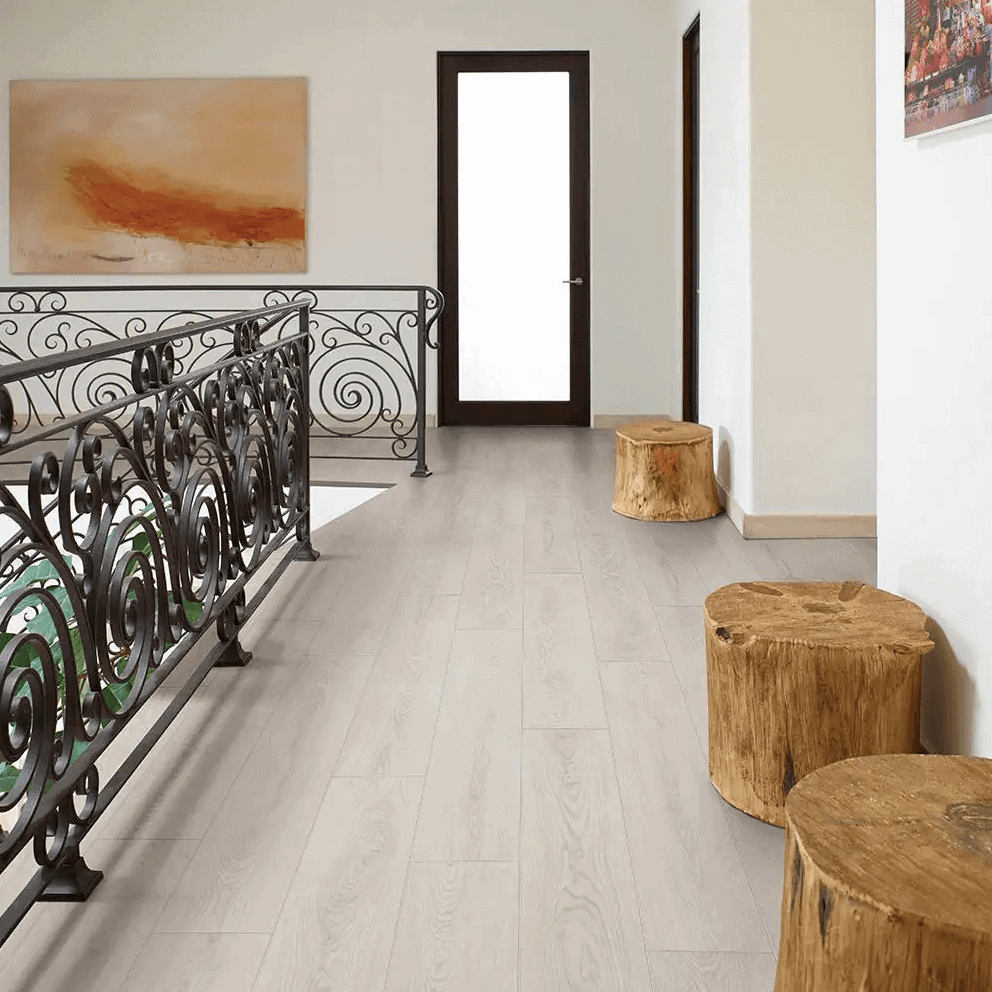
Lastly, don't overlook the color and texture of your flooring. The right choice can dramatically influence your space's lightness and openness. Light colors typically give rooms feel more open and more open, whereas darker shades can create a comfortable, inviting atmosphere. Mixing textures and materials can add richness to your design. Spend time to visualize how various flooring choices will look together in your home, and don't hesitate to use samples to help guide your decision-making process.
Flooring Trends and Developments
As we move deeper into 2026, the flooring industry continues to evolve with cutting-edge materials and designs that cater to varied cultural preferences and sustainable lifestyles. One trend gaining traction is the use of eco-friendly flooring options. Homeowners are more and more seeking materials that not just look good but also minimize ecological impact. Options such as cork, bamboo, and reclaimed wood are becoming favorably received, offering both style and sustainability while resonating with eco-conscious consumers.
Another significant development is the rise of luxury vinyl plank flooring. This material has gained favor due to its cost-effectiveness, versatility, and authentic appearance that mimics hardwood or stone. In addition to being economical, LVP is also waterproof, making it an ideal choice for spaces prone to moisture, such as cooking areas and bathrooms. The continuous advancement in manufacturing processes has led to even more convincing textures and finishes, allowing homeowners to achieve high-end looks at affordable prices.
Finally, the movement of mixing and combining flooring styles is growing in popularity, allowing for creative design options within homes. From mixing tile and wood to creating unique patterns with different materials, homeowners are embracing individuality and personalization in their homes. This practice not just enhances aesthetic beauty but also allows for practical benefits, such as strategic layout in open-plan areas, contributing to a fashionable yet practical living environment.
DIY Installation Tips
When embarking on a DIY flooring project, preparation is key. Begin by making sure your subfloor is clean, dry, and level. Any imperfections or debris can impact the installation and end result. Take the time to measure the area accurately and purchase a little extra flooring material to account for errors or misjudgments. It can be helpful to lay out a detailed plan, specifying how you will approach the installation, which will simplify the process and minimize surprises.
During installation, follow the manufacturer’s instructions for the particular type of flooring you are using. Various materials have different requirements for acclimation, cutting, and installation. If you are working with floating floors, make sure you leave the required expansion gaps around the edges. Proper tools are essential as well; investing in a good quality cutting tool, measuring tape, and spacers can greatly enhance the ease and quality of your work.
After installation, take care to maintain your new flooring properly. Each type of flooring has specific cleaning and maintenance needs that should be followed to preserve its look and durability. Regular cleaning, prompt attention to spills, and periodic maintenance checks will keep your flooring looking fabulous and in good condition for years to come. By taking these steps, you can successfully tackle your flooring project and enjoy the transformation.