Are you weary of dealing with a damp and musty basement? Converting your basement into a dry space is not just a dream; it's an realistic goal with the right waterproofing methods. If you are looking to build a cozy living area, a practical storage space, or secure your investments, effective basement waterproofing is vital. It doesn't just help you recover valuable square footage and also protecting your home’s structural integrity.
In this ultimate guide to basement waterproofing, we will explore everything you need to know to keep your basement dry and comfortable. Beginning with recognizing the signs that indicate your basement requires urgent care to understanding the multiple waterproofing methods that are available, we’ve got you covered. Discover why putting money into waterproofing is beneficial for your home’s value and what things to consider when choosing a contractor. Wave goodbye to dampness and hello to a healthier, more pleasant home environment.
Signs The Basement Needs Waterproofing
A major indication of the need for basement waterproofing is the presence of dampness or humidity. When you see damp patches on the walls, a damp smell, or moisture forming on glass panes and pipes, it is a definite mark that water is infiltrating your basement. If not taken care of, this moisture can result in mold growth and various structural problems, making it crucial to intervene as soon as you detect these issues.
Another sign to watch for is bubbling paint or wallpaper. If your basement walls are peeling, exhibiting signs of fading, it suggests that moisture is enclosed beneath the outer layer. This not only impacts the overall look of your space but also reveals potential leak problems. Disregarding these indicators can accelerate deterioration and lead to more costly repairs down the line.
Additionally, if you habitually experience musty odors in your basement, this could point to mold or mildew due to prolonged dampness. Mold can grow in humid environments, posing health risks for you and your family. Regularly evaluating the air quality and any bad odors can help you catch waterproofing issues before they grow into major issues.
Interior vs. Exterior Waterproofing: Which is Best?
When evaluating basement waterproofing, homeowners frequently discuss between internal and exterior methods. Internal waterproofing involves the application of seals and sealants on walls to block moisture intrusion from inside. This method can feature the installation of drainage channels, sump systems, and dehumidifying systems. Although these methods can efficiently control humidity, they tend to focus on the effects rather than the root causes of water intrusion.
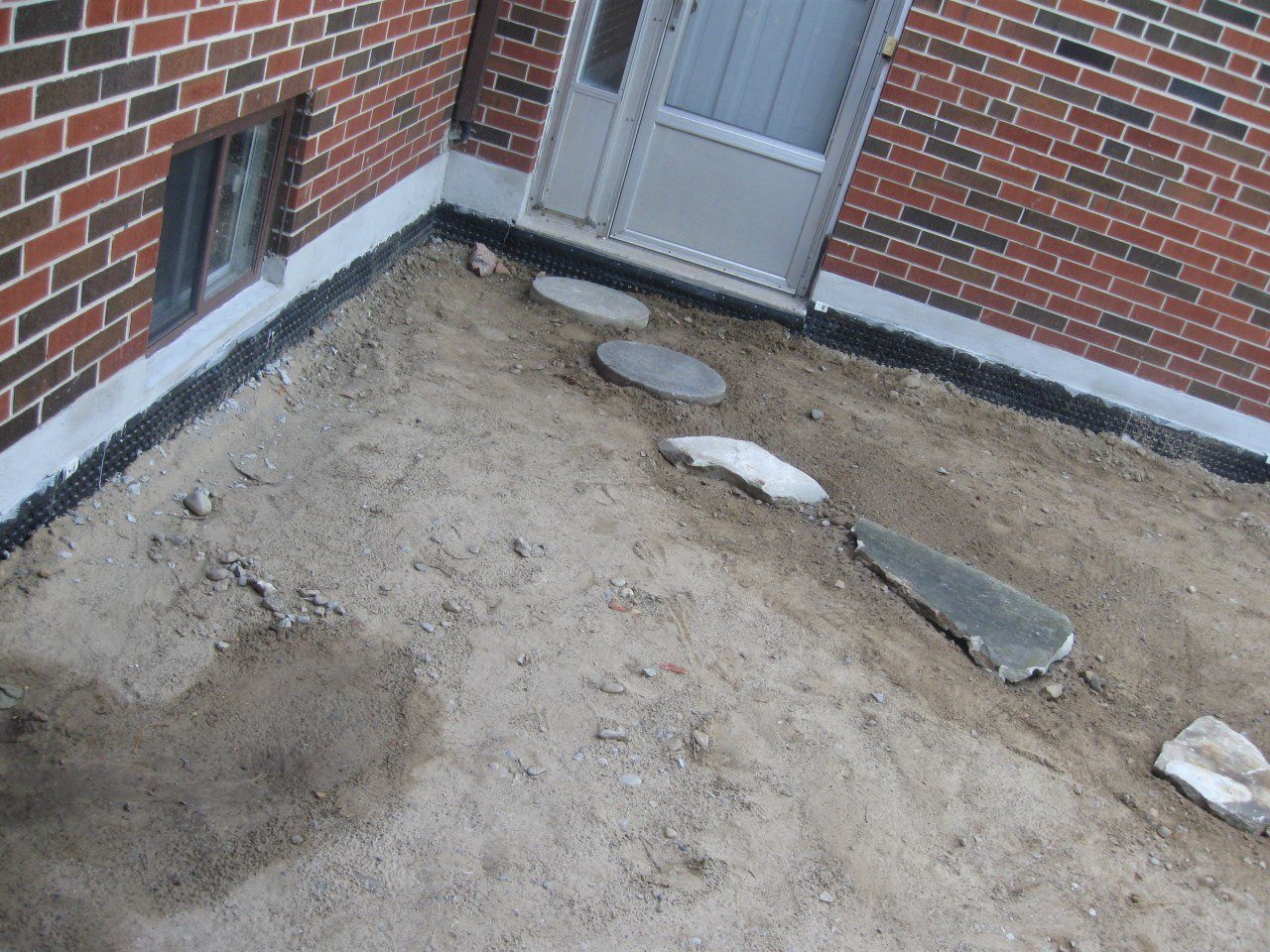
On the other hand, external waterproofing is designed to preventing water entry into the base of the house in the beginning. This method typically includes clearing ground around the foundation to put in place water-resistant membranes and water diversion systems that direct water runoff from the home. While external approaches are generally more expensive and requiring more effort, they offer a thorough approach to shielding the building and are generally seen as better for long-term protection.
In the end, the choice for internal and external solutions is based on multiple considerations, such as the severity of water issues, the structure of the house, and the financial considerations. Numerous professionals advise a blend of both solutions for best outcomes. By addressing both internal moisture prevention and outdoor waterproofing solutions, residents can maintain a dry and hygienic basement environment.
How Waterproofing Boosts Property Value
Putting money into the waterproofing of your basement might considerably increase your property's worth. View website tend to be wary of real estate with a background of water damage or wetness concerns. By making sure your having a basement space remains waterproofed, you present a house that is not just safe but also far less likely to incur costly renovations in the time ahead. This assurance can make your property more attractive to buyers who seek to escape the trouble of remediation work.
In addition to protecting the foundation of the home, waterproofing can also improve the functionality of your lower level. A dry basement can provide additional usable area, a workspace, or leisure area, adding boosting the desirability of your home. Buyers often consider more area as a valuable asset, which leads to a higher sale price. A properly cared for and moisture-free basement can differentiate your property from like homes in the housing market.
Moreover, waterproofing can boost your property's energy-saving capabilities and internal air quality. A well sealed basement reduces the chances of mold and spores, contributing to a better indoor atmosphere. This aspect can be especially desirable to family-oriented buyers, making your property an more straightforward sell. In summary, waterproofing not only does protect your asset but also improves the overall attractiveness and price of your property.