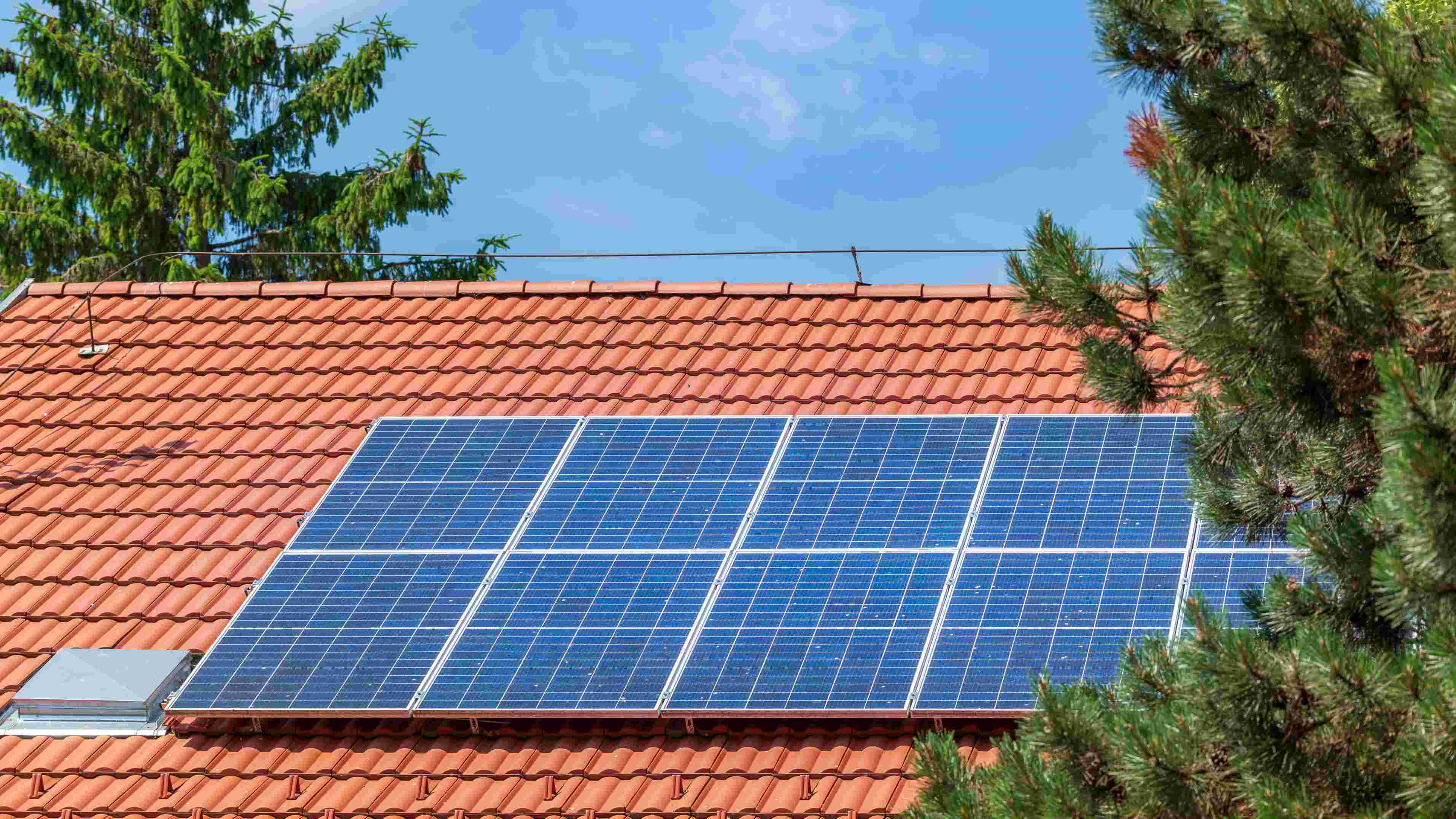
Recently, solar technology has gained recognition as a revolutionary driver in the field of renewable energy, leading to an increasing number of homeowners looking to utilize the power of the sun. As global concerns about climate change and utility costs rise, the draw of photovoltaic panels keeps expanding. Whether you're a curious novice or a experienced homeowner contemplating an upgrade, understanding how these panels operate can enable you to make knowledgeable judgments about your energy future.
This piece will unpack essential details surrounding solar panels, offering insights into their benefits, effectiveness, and installation. From investigating how much cash you can accrue with photovoltaics to debunking common fallacies and highlighting the latest developments, we will walk you throughout every element of switching to solar. Participate us as we explore the methods this renewable energy choice can enhance your residence, boost real estate worth, and help to the ecosystem.
Benefits of Solar Energy
The use of solar energy offers a variety of advantages, making it an appealingly option for residents and businesses alike. Initially, solar panels significantly reduce electricity bills by capturing the sun's power to generate electricity. By converting the sun's rays into usable energy, residents can also lower their monthly expenses but also shield themselves against escalating energy costs. Additionally, https://sehested-stokholm-2.technetbloggers.de/starting-with-sunlight-to-cost-savings-exploring-the-advantages-of-solar-panels offer tax incentives and rebates for solar installations, which further enhancing the financial advantages of adopting solar technology.
Another key benefit of solar energy is its favorable effect on the environment. Solar panels produce green, renewable energy that greatly reduces pollution and other harmful contaminants associated with fossil fuels. By transitioning to solar power, property owners can take meaningful steps towards reducing their environmental impact, contributing to a more eco-friendly future. This ecological awareness resonates with a lot of people today who prioritize green energy solutions.
In addition, the durability and longevity of solar panels make them a sound investment. Most solar systems include warranties of a quarter century or more, and numerous modules can last even longer with proper maintenance. This long-term reliability translates to steady cost reductions over the lifespan of the system, as well as an boost in property value. Residences equipped with solar panels are often seen as more attractive, making solar energy not just an environmental choice but a fiscally intelligent one as well.
Guide to Installing Solar Panels
Placing solar panels on your home necessitates meticulous planning and execution to ensure optimal performance and efficiency. The initial step is to assess your energy needs and inspect your roof or property for the optimal installation location. Consider factors such as sun exposure, roof angle, and obstruction from trees or adjacent buildings. A certified solar installer can help you figure out the perfect system size based on your energy consumption and the available space.
Once you've selected a solar installer, they will conduct a thoroughgoing site assessment to create a tailored solar panel system design. This includes selecting the variety of panels, inverters, and essential equipment. After the design is concluded, you will need to obtain any necessary permits from local authorities. Be sure to check if there are any solar rebates or tax credits accessible in your area that can help reduce installation costs.
The real installation process typically takes approximately one to three days, based on the system size and complexity. The installation team will install the solar panels safely, connect them to the inverter, and link the system to your electrical panel. Once the installation is done, the system will undergo inspections to ensure everything meets security and performance standards. After clearing inspections, your solar panel system will be ready to create clean energy for your home.
Misconceptions and Maintenance of Solar Panels
There are numerous misconceptions surrounding solar panels that can discourage homeowners from making the transition to renewable energy. One prevalent myth is that solar panels are ineffective in overcast or rainy weather. In reality, solar panels can still collect sunlight in suboptimal conditions, although their efficiency may be reduced. Another common myth is that solar power is too expensive and not worth the financial outlay. With the decreasing costs of solar technology and the availability of tax credits and incentives, a significant number of homeowners find that transitioning to solar results in significant long-term savings.
Regular maintenance is essential for ensuring that solar panels function efficiently throughout their service life. One false belief is that solar panels require extensive upkeep. In truth, most solar systems need little maintenance, such as occasional cleaning to remove dirt and debris that may block sunlight. It's also essential to regularly check for any obscuring from trees or buildings that could impact performance. Homeowners should consider scheduling professional inspections to ensure that the system is functioning optimally and to identify any potential issues before they worsen.
Finally, addressing the myth that solar panels are a burden to install, the process has become more streamlined. With advancements in technology, many companies offer comprehensive installation services that ease the move to solar energy for homeowners. Understanding how to choose the right installer is essential, as a capable professional can enhance the performance and reliability of the system, making the commitment in solar power not only feasible but also rewarding. By dispelling these myths and staying informed about maintenance practices, homeowners can embrace solar energy with confidence.