

Lately, commercial paint spraying has changed how businesses approach big painting projects. This innovative technique not only improves the overall appearance of commercial spaces but also greatly boosts efficiency and cuts down on downtime. Whether it's a warehouse, storefront, or industrial unit, the adaptability of spray painting has established it as a preferred solution for a variety of sectors seeking high-quality results in a timely manner.
As businesses continue to evolve, the demand for effective and cost-efficient painting solutions increases further. The pros of commercial paint spraying are broad, from securing a flawless finish to using environmentally friendly paint options. Understanding how to choose the appropriate spray system, prepare surfaces effectively, and maintain safety standards can make a remarkable difference in the outcome of a project. In this article, we will explore thirty persuasive reasons to opt for commercial paint spraying for big projects, showcasing its benefits, best practices, and the cutting-edge trends shaping the industry today.
Advantages of Professional Spray Painting
Commercial paint spraying offers many benefits that can significantly enhance the success of large painting tasks. One of the key pros is the speed at which the job can be done. Spraying allows for a considerably quicker application compared to traditional rolling methods, which saves precious time in task timelines. This efficiency is particularly crucial for businesses that need to lessen disruption to their activities, enabling a more rapid return to regular activities without compromising the caliber of the output.
Another, a key pro is the consistency and exactness that modern spray systems provide. With modern technology, commercial paint spraying delivers a perfect result that is difficult to achieve through traditional application methods. This level of reliability is especially essential for large surfaces, where even slight imperfections can become very obvious. The option to adjust the spray configuration and pressure further helps in achieving the targeted look, catering to various surfaces and textures appropriately.
Affordability is also a major advantage of opting for business paint spraying. While the first investment in equipment and qualified services may look considerable, the long-term cost reductions can be considerable. Reduced labor costs, reduced paint waste, and the rapid completion of tasks all help to a more cost-effective approach, making it an attractive option for organizations looking to maintain their budget while ensuring superior results.
Determining the Right Spray System
When it comes to commercial paint spraying, selecting the right spray system is essential for securing optimal results. A couple of popular types of spray systems are airless and HVLP (High Volume Low Pressure). Airless sprayers are known for their ability to paint large areas rapidly, making them optimal for wide surfaces such as storage facilities. Meanwhile, HVLP systems offer more precise control and reduced overspray, making them ideal for finely crafted work in commercial stores and office refurbishments. Grasping the specific demands of your project will aid determine which method is optimal.
Furthermore, the character of the project determines the choice of equipment. For instance, if the job involves tall ceilings or hard-to-reach areas, advanced spray equipment is suggested to ensure thorough coverage. Conversely, traditional brush and roller methods might could be suitable for minor projects or touch-ups where precision is paramount. Considering the size, structure, and purpose of your painting job will lead you in making an informed decision on the proper spray system.
It's also essential to take into account the type of paint and finish needed for your project. https://onsite-spraying-services.co.uk/best-in-house-respraying-lincolnshire/ may work better with particular formulations such as latex, oil-based, or specialty coatings. Consulting the spray system manufacturer or a qualified contractor can provide clarification regarding compatibility and ensure that the selected equipment will only work effectively but also deliver the premium finish anticipated in commercial applications.
Safety and Standards in Business Projects
Safety is crucial in commercial paint spraying projects, as the use of various chemicals and equipment can pose threats to both the workers and the environment. Adequate training and adherence to security protocols are essential to mitigate these dangers. Contractors should ensure that all workers are equipped with personal protective equipment, including masks, gloves, and protective eyewear, to safeguard against inhalation of fumes and skin contact with dangerous materials. Regular safety meetings and effective communication about emergency procedures can further enhance workplace security during spraying operations.
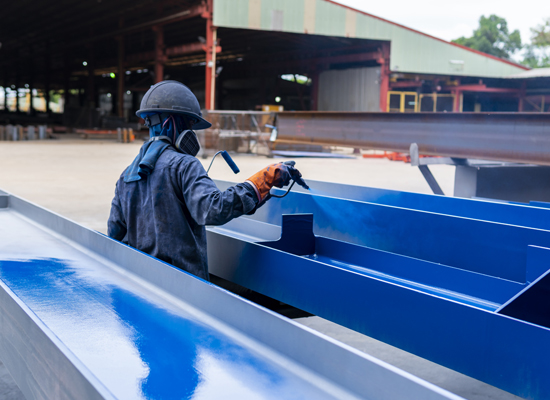
Compliance with industry regulations is crucial for the successful completion of commercial paint spraying projects. This includes following guidelines established by agencies such as OSHA and the EPA. Contractors must stay updated on the latest regulations regarding volatile organic compounds (VOCs) and additional harmful substances in paint. By using approved products and methods, businesses not only follow the law but also promote a healthier working environment, which can contribute favorably to their reputation and operational efficiency.
Investing in security protocols and adherence to standards can yield substantial long-term benefits for commercial paint spraying projects. Not only does it reduce the likelihood of accidents and health issues among workers, but it can also lead to enhanced project efficiency and cost savings. Companies that focus on safety are often viewed more favorably by clients, enhancing their marketability. To sum up, maintaining a strong commitment to safety and standards helps ensure the successful completion of projects while cultivating a culture of accountability within the workforce.