

As we progress deeper into the 21st century, the need for efficient climate control in our homes and businesses is increasing. With rapid advancements in technology, heating, ventilation, and air conditioning systems, often called HVAC, are progressing to tackle the challenges of climate change, energy efficiency, and indoor air quality. Developments in HVAC technology not only seek to enhance comfort but also significantly impact energy consumption and environmental sustainability.
In this piece, we shall examine the future of HVAC systems, highlighting state-of-the-art innovations designed to optimize performance and reduce costs. From smart thermostats that adapt to your lifestyle to energy-efficient models that save money and resources, there's a lot to discover. We will investigate essential topics such as maintenance best practices, the importance of indoor air quality, and tips for choosing the right system for your home. Join us as we navigate the exciting developments in HVAC technology and discover how to make sure your climate control systems are prepared for the future.
HVAC Maintenance Essentials
Consistent upkeep of your HVAC unit is crucial for maintaining its performance and longevity. A properly serviced system not only provides better temperature control but also improves indoor air quality. Homeowners should stick to a seasonal HVAC upkeep checklist to remain on top of essential tasks. This includes inspecting filters, cleaning coils, and checking ducts to mitigate issues that could lead to costly repairs.
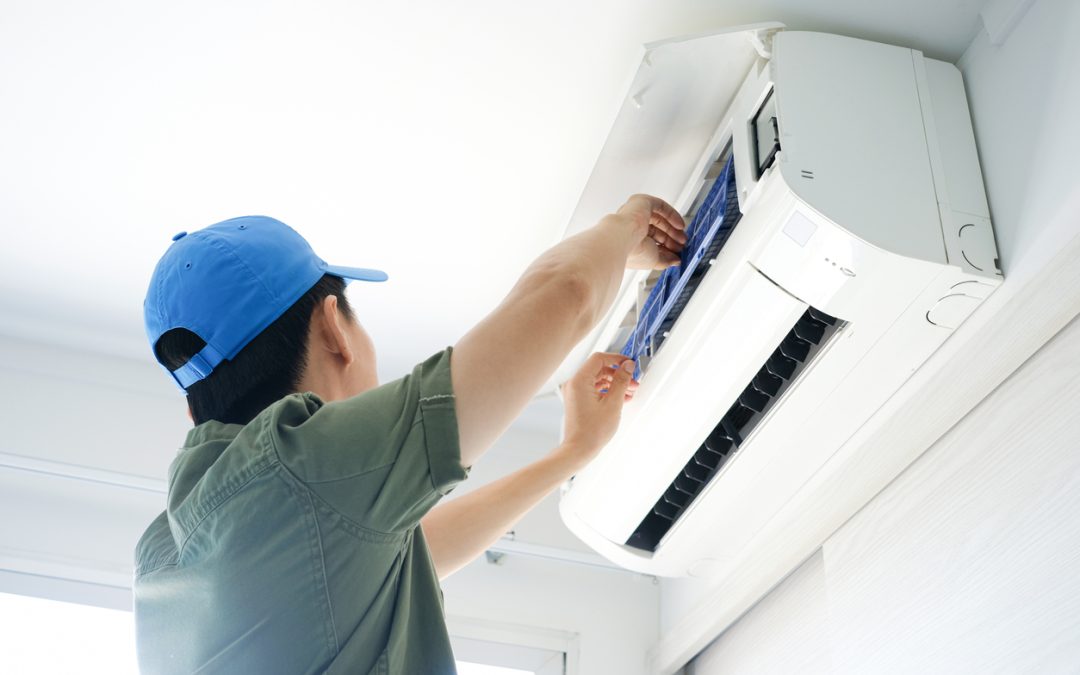
One of the most critical aspects of HVAC maintenance is replacing air filters regularly. Clogged filters can restrict airflow, causing the system to work harder than necessary, which raises energy bills and diminishes efficiency. It is suggested to replace HVAC air filters at least every three months, but depending on usage and environmental factors, additional changes may be necessary. Keeping your filters clean will help sustain optimal airflow and improve indoor air quality.
Opting for professional HVAC inspections is another necessary maintenance step that homeowners should evaluate. A certified technician can spot potential concerns before they become significant issues, making sure the system runs efficiently year-round. These tune-ups typically include a thorough system check-up and servicing, allowing owners to enjoy confidence knowing their system is in top shape, ultimately leading to decreased energy costs and a longer lifespan for the unit.
Opting for and Improving Your HVAC System
Choosing the appropriate HVAC system for your home is crucial for top comfort and energy efficiency. Take into account factors such as the size of your home, local climate, and specific heating and cooling needs. Systems come in different types, including central air conditioning, ductless mini-splits, and heat pumps, each offering individual advantages. It is crucial to perform a load calculation to determine the suitable system size to avoid overworking the unit, which can lead to elevated energy bills and premature wear.
Upgrading your HVAC system can greatly enhance your home's energy efficiency, especially if your current unit is over 10 years old. https://taurusresult32.bravejournal.net/intelligent-hvac-the-method-by-which-technology-is-revolutionizing-home-comfort are designed with state-of-the-art technology that can lower utility costs while boosting indoor air quality. Energy-efficient HVAC systems often boast elevated SEER ratings, which indicate better cooling efficiency. Additionally, smart thermostats can connect with these systems to offer greater control over your home’s temperature, helping you reduce on energy bills.
When considering an upgrade, it’s also vital to evaluate your home’s ductwork and insulation. In some cases, the present ducts may require sealing or alteration to enhance airflow. Moreover, correctly maintaining your HVAC system through regular servicing and timely filter changes can extend its lifespan and improve efficiency. Investing in a new, high-efficiency system, alongside improvements to your home’s infrastructure, will lead to lasting benefits in both comfort and cost savings.
Enhancing In-house Air Standards and Effectiveness
In-house air standards is vital for preserving a sound home setting, and the efficiency of your HVAC system plays a major role in attaining it. An optimal HVAC system guarantees that air is appropriately circulated and filtered, reducing the amount of allergens, dust, and other pollutants. Regular maintenance, such as timely air filter changes and system servicing, helps in preventing the collection of toxins and keeps the unit running smoothly. By investing in top-notch air filters and adhering to a preventative maintenance schedule, homeowners can enhance both air quality and unit efficiency.
In addition to routine upkeep, incorporating cutting-edge technologies can additionally improve interior air quality. Automated HVAC units, equipped with devices and IoT capabilities, allow residents to track air quality and regulate ventilation more effectively. These systems can alter airflow based on real-time data, optimizing the balance between comfort and energy use. Moreover, using features like air cleansers and moisture regulators with your HVAC unit can help focus on specific air quality concerns, ensuring that your indoor setting is both enjoyable and wholesome.
Lastly, understanding of how daily habits affect air standards is essential. https://k12.instructure.com/eportfolios/1044246/entries/3652795 as securing windows closed during high pollen periods, maintaining humidity rates, and not allowing smoking indoors can significantly improve the performance of your HVAC system. Homeowners should explore zoning systems to control air flow in specific areas, guaranteeing that spaces with higher usage get optimal heating and cooling. By adopting these tactics, you can create a more efficient HVAC unit while cultivating a fitter living environment.